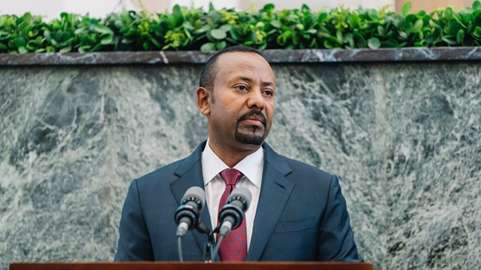
Ethiopia stands on a dangerous precipice once again. Recently, fighting between rebel Tigray People’s Liberation Front (TPLF) forces and Ethiopian federal troops broke out on 23 September. Consequently, this renewed violence threatens the fragile peace established by the 2022 Pretoria Agreement.
Federal troops quickly pushed back rebel offensives and seized the Tigrayan capital of Mekelle. However, analysts warn that the conflict could transform into a prolonged insurgency. Even more alarmingly, rising tensions between Addis Ababa and neighbouring Eritrea could trigger a devastating regional war.
Key Drivers of the Escalating Crisis
- Mekelle Seized & Blackout: Ethiopian federal forces captured Mekelle after TPLF commanders retreated. Meanwhile, the government cut phone and internet lines across Tigray as fighting opened new fronts in Afar and Amhara.
- TPLF-Amhara Alliance: In a major tactical shift, the TPLF aligned with fighters from Amhara. Because Amhara is Ethiopia’s second-largest region, this alliance expands the conflict’s internal reach.
- The Red Sea & Port Access: Prime Minister Abiy Ahmed has openly sought direct access to a Red Sea port. However, Eritrea views these ambitions as a direct threat to its territorial sovereignty.
- Rising Regional Tensions: Ethiopia accuses Eritrea of supporting TPLF rebels. Conversely, Eritrea accuses Ethiopia of planning a forcible takeover of its coastal territory.
Geopolitical Standoff: The Nile and Red Sea
The conflict is no longer purely internal. Instead, it has drawn in major regional actors with competing strategic interests:
| Country / Actor | Role & Strategic Interest |
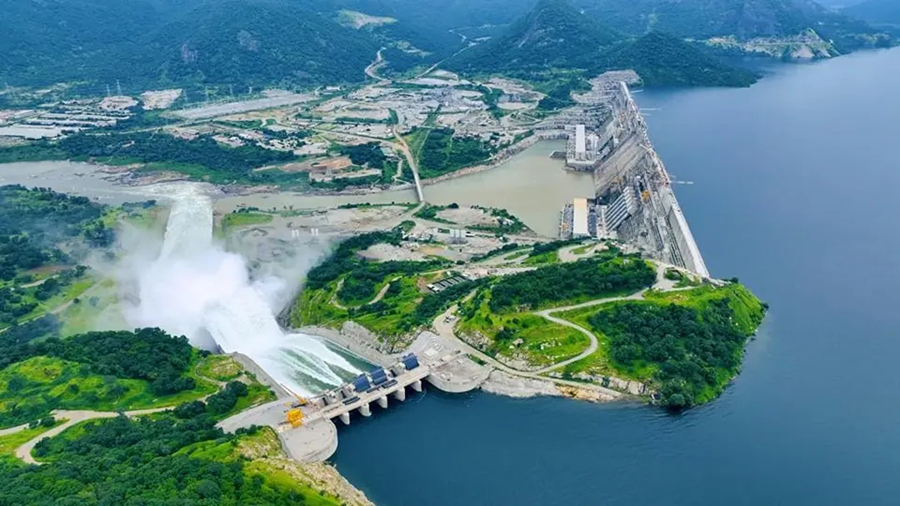
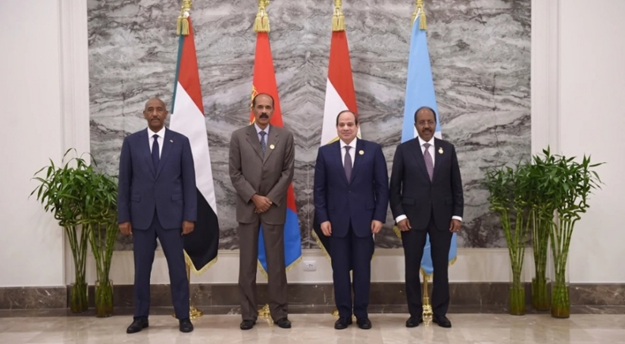
| Egypt, Sudan & Somalia | Formed a diplomatic bloc with Eritrea at the AU Summit. They reject external interference in the Red Sea and demand protected Nile water rights against Ethiopia’s GERD dam. |
| United Arab Emirates (UAE) | Remains aligned with both Cairo and Addis Ababa. Therefore, the UAE wants to prevent the total economic collapse of its Ethiopian partner. |
| Türkiye (Turkey) | Positioned as a key mediator. Specifically, Turkish President Erdogan maintains strong ties with both countries through the Ankara Declaration framework. |
What Lies Ahead for Ethiopia?
The resumption of hostilities risks repeating the catastrophic human toll of the previous war. That conflict claimed over 500,000 civilian lives through violence, famine, and medical collapses.
Ultimately, experts point out that lasting peace depends on internal political reform. Prime Minister Abiy Ahmed’s push to centralize power has alienated several major ethnic groups. Therefore, reversing this policy will determine whether Ethiopia can stabilize its borders or descend into a wider regional war.