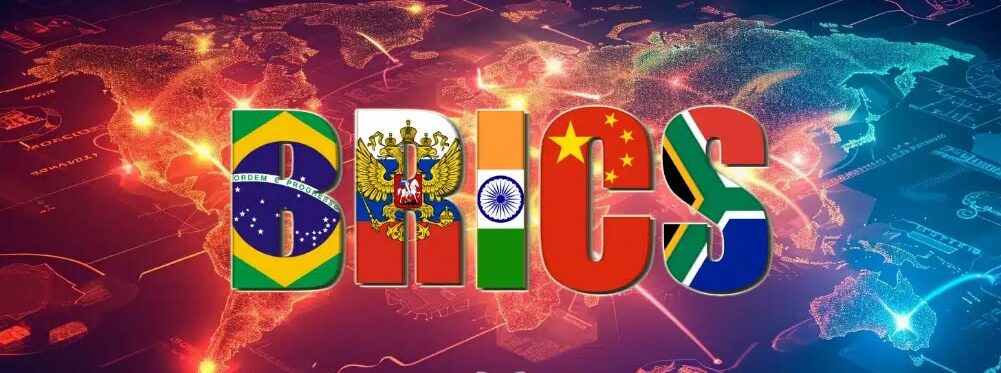
BRICS Plus nations must advance a joint cross-border payments mechanism. Consequently, this will reduce their reliance on the US dollar. However, a shared currency faces major economic and institutional obstacles. Recently, a think tank report highlighted these exact issues.
The non-profit policy platform BRICS+ Thinking published this paper. In it, the group urges emerging economies to commit to a functional mechanism. Furthermore, the authors emphasize taking cautious baby steps over giant leaps. After all, BRICS Plus is a loose association of nations. Additionally, these countries are geographically dispersed across different continents.
The Challenge of a Single Currency
“It is absolutely crucial that their central banks embrace this goal,” stated the report authors. Specifically, Gregory T. Chin, Danny Quah, and Jim O’Neill wrote the paper. Notably, O’Neill is the former Goldman Sachs economist who coined the BRICS acronym.
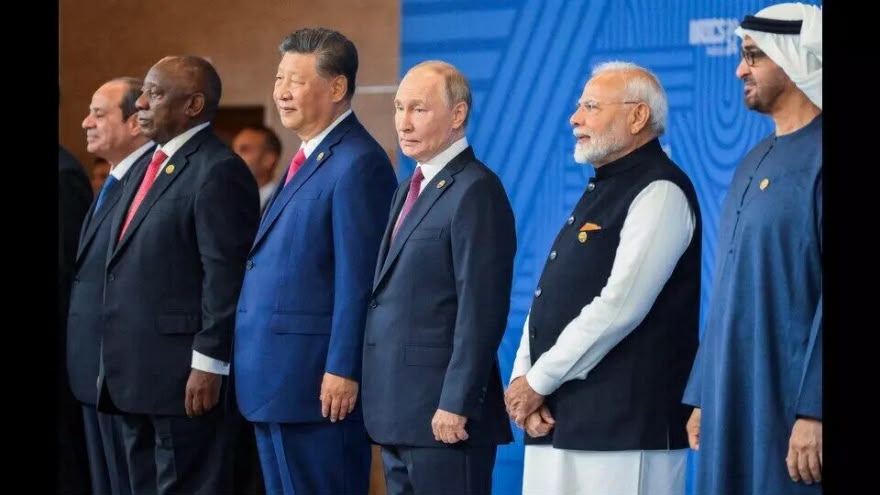
BRICS leaders met for a September summit in New Delhi. There, they declared their intent to work on faster and cheaper cross-border payments. To achieve this, they plan to link systems and increase the use of local currencies. On the other hand, introducing a shared currency would require dramatic reforms across the association. For instance, these reforms include greater central bank independence. Moreover, they also need a common monetary authority and few restrictions on capital flows.
According to the report, this could take decades to attain. First, the bloc faces significant challenges like geographic dispersion. Furthermore, members show little enthusiasm for delegating policy autonomy to a common central bank.
Geopolitical Pushback and Sanctions
Meanwhile, the prospect of a shared BRICS reserve currency has not been welcomed by Washington. In fact, officials worry it could directly rival the US dollar. As a result, US President Donald Trump even threatened massive tariffs. For example, he suggested a 100% tariff on all trade with BRICS member nations. Naturally, this threat includes South Africa.
Despite this, countries like Russia and India have downplayed the prospect of a single currency. Yet, efforts to reduce reliance on the dollar have undoubtedly accelerated. Chiefly, this shift follows the imposition of Western sanctions on Russia after its 2022 invasion of Ukraine.
South Africa Navigates Continental Trade
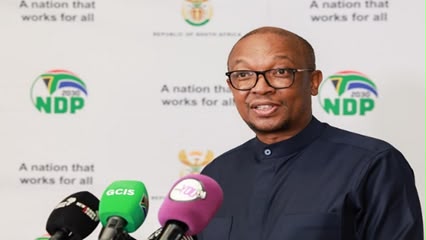
Image Credits: GovernmentZA
As global financial shifts unfold, South Africa remains a key pillar. Importantly, the country connects the bloc with the African Union. Recently, Trade Minister Parks Tau highlighted a growing trend. Specifically, continental trade partners are demanding more from South Africa in exchange for market access.
The minister spoke at the recent Kgalema Motlanthe Drakensburg Forum in KwaZulu-Natal. During the event, he noted this friction impacts the African Continental Free Trade Area (AfCFTA). Currently, South Africa is navigating trade disputes with key continental partners. These nations include Botswana, Kenya, Nigeria, and Mozambique.
In response, Minister Tau explained that President Cyril Ramaphosa’s government is adopting a constructive strategy. Ultimately, they want to protect national interests and maintain mutually beneficial continental relationships. At the same time, African counterparts are asking South Africa to step up. Basically, they want the country to assume a more direct role as an investor rather than just an exporter.
For instance, this includes improving logistics and partnering on financing mechanisms. Additionally, they want to share technology to promote industrialization across the continent. Ultimately, Pretoria must balance its trade relations carefully. Therefore, it must manage ties between African states and BRICS regional powers. In conclusion, this approach will ensure South Africa does not become isolated from African interests.
Prepared by: Yacoob Cassim