
SADTU Suspends Protest as Education Department Unlocks R900 Million Emergency Funding
The South African Democratic Teachers’ Union (SADTU) has officially suspended its work-to-rule campaign in KwaZulu-Natal following a critical breakthrough with the provincial Department of Education. This comes after weeks of administrative disruptions, exam delays, and teacher protests that affected over 800 public schools.
Education MEC Mbali Frazer confirmed that R900 million will be released in two tranches—on 4 July and again on 31 July. These funds will be used to print exam papers, procure essential teaching materials, and restore operational budgets to struggling schools.
SADTU’s provincial leadership said the union will closely monitor how the funds are distributed to ensure transparency and equity. “We are pausing our action in good faith but will resume if promises are not honoured,” said a spokesperson. Educators have now resumed preparations for the postponed mid-year exams, set to restart next week.
Ten Dead, Dozens Injured in Vryheid Bus Crash; Government Urges Transport Review
A horrific bus accident in northern KwaZulu-Natal has resulted in the deaths of ten passengers and left 38 others injured. The crash occurred on the R34 near Vryheid on Tuesday evening, when a privately hired bus transporting EFF Youth Day rally attendees lost control and overturned.
Emergency Medical Services responded swiftly to the scene, transporting the injured to Vryheid Hospital and surrounding facilities. Preliminary findings suggest brake failure, compounded by the bus’s poor mechanical condition and possible driver fatigue. An investigation by the Road Traffic Management Corporation is underway.
Premier Nomusa Dube-Ncube has called for urgent reforms in public and private commuter transport, particularly around vehicle roadworthiness and driver regulation. “We cannot afford to lose lives due to preventable mechanical failures. This tragedy must be a turning point,” she stated during a media briefing in Ulundi.
Israel–Iran Conflict Escalates as Strikes Intensify and Civilian Toll Rises
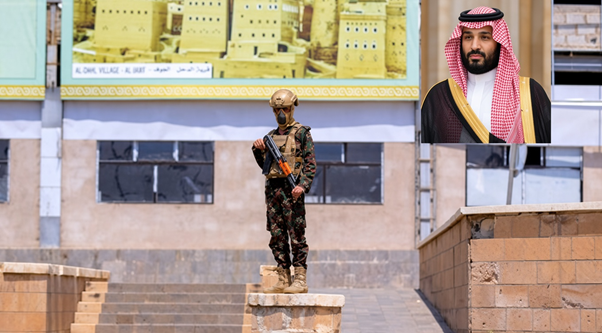
The military confrontation between Israel and Iran has reached new levels of intensity, with both sides launching coordinated air and missile strikes targeting key infrastructure. Israel’s latest operations have focused on Iranian nuclear and military facilities, including sites in Natanz and Isfahan, while Iran has responded with long-range drone and missile attacks that struck several areas in central Israel.
The death toll on both sides is rising, with civilian casualties now confirmed in Tel Aviv, Haifa, Shiraz, and Tehran. Hospitals in several Iranian cities are reportedly overwhelmed, and the Israeli Defence Forces have begun mobilising reserve units for possible prolonged conflict.
The United Nations has convened an emergency Security Council session to address the growing regional threat. International actors, including Turkey, Russia, and France, are urging immediate de-escalation. Despite diplomatic efforts, neither Israel nor Iran has indicated a willingness to cease fire at this stage.
G7 Summit Shifts Focus to Middle East Tensions and Global Economic Stability
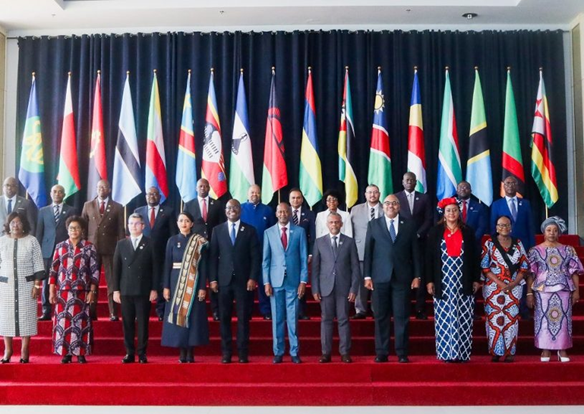
Leaders at the G7 Summit in Canada have adjusted the agenda to prioritise the escalating conflict in the Middle East. The heads of state from Germany, the United States, France, Japan, Canada, Italy, and the United Kingdom expressed serious concern over the potential spillover effects of the Israel–Iran crisis on global energy markets and diplomatic stability.
In a special joint session, the group discussed coordinating humanitarian aid and deploying diplomatic pressure to prevent the conflict from engulfing neighbouring states such as Lebanon and Syria. The summit also addressed rising inflation and energy security, with renewed calls to stabilise global oil supply chains.
Despite some divisions on trade policy, the G7 leaders appear unified in calling for a return to diplomacy. Canadian Prime Minister Justin Trudeau, hosting the event, described the moment as “a test of global leadership in a time of increasing volatility.”
China Issues National Flood Alerts Amid Unprecedented Summer Storm Risk
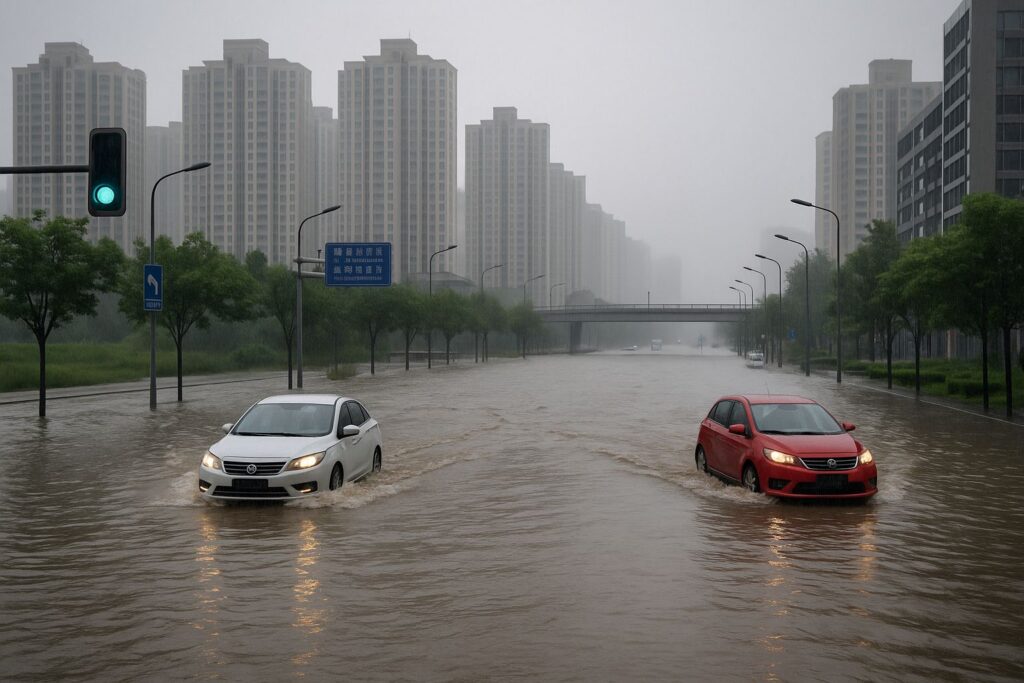
China has declared a nationwide flood risk warning as its meteorological authorities forecast the most severe northern summer rains in nearly two decades. The Ministry of Water Resources and the China Meteorological Administration jointly warned that the provinces of Hebei, Henan, and Shandong are at risk of river overflows and flash floods.
Already, several towns along the Yellow River have begun pre-emptive evacuations, and satellite imagery indicates that rainfall in some zones has already exceeded June averages. Thousands of emergency workers, including soldiers, medics, and disaster response teams, have been deployed.
Authorities say climate change is amplifying the severity and unpredictability of summer monsoons, traditionally limited to southern China. The government has urged local officials to strengthen flood barriers and warned that any negligence in disaster preparedness will be met with strict penalties.
Today’s Exchange Rates – 19 June 2025
1 US Dollar = R17.96
1 Euro = R20.67
1 British Pound = R24.16
Please note: These are mid-market rates and may vary depending on your bank or foreign exchange provider.
Article written by:
Hudaa Ahmed
Journalist at Radio Al Ansaar