
South Africa is experiencing the best of luck this year when it comes to oil prices. The Rand has strengthened while oil prices hold steady at lower rates and are line up for a reduction in August. However, diesel prices are still on track for a hike in two weeks. This is due to the global shortages putting upward pressure on fuel price recoveries. The latest data from the Central Energy Fund (CEF) for the end of the third week of July shows that petrol prices are building and maintaining an over-recovery of around 25 cents per litre. Lower global oil prices relative to June and a more stable Rand/Dollar exchange have aided the over-recovery.
According to the CEF’s data, this is how recoveries stand at the end of week three in July:
- Petrol 93: decrease of 28 cents per litre
- Petrol 95: decrease of 24 cents per litre
- Diesel 0.05% (wholesale): increase of 66 cents per litre
- Diesel 0.005% (wholesale): increase of 64 cents per litre
- Illuminating paraffin: increase of 30 cents per litre
The pricing difference between petrol and diesel diverged in mid-June when Israel escalated the war in the Middle East by attacking Iran. This sent global oil prices rocketing to over $80 a barrel. However, prices quickly recovered and have been sitting under $70 for the past four weeks. While this was reflected in petrol price recoveries, diesel price recoveries were hit by other external dynamics, with seasonal demand for fuel increasing amid concerns over supply.
As a result, while global product prices for petrol have come down to the extent that cuts are forecast, diesel prices have gone in the opposite direction.

Oil prices will vary, depending on the availability of each source/type of such oil. The availability of each type will depend on the amount extracted. The less there is available concerning Diesel and Illuminating Paraffin the higher the price the more there is available concerning petrol the lower the price. Motorists’ cars run on different types of oil, depending on the model of car. The types of oil and gas that are being used are fossil fuels and are therefore not renewable. The scarcer they become in terms of supply and demand the higher the price. This is why there has been a significant shift to develop electric vehicles (EVs) that could run on solar or even wind power. Conflicts in oil producing region like the Middle East and other parts of the world also lead to oil price increases.
Diesel follows a different type of formula to petroleum fuel and the scarcer it becomes in terms of supply the less in demand the cars that run on it will be. Prospective customers will look to alternative models that run on more abundant fuels or other forms of energy. Meanwhile the Government of National Unity (GNU) will finally complete the budget process without further disruptions.

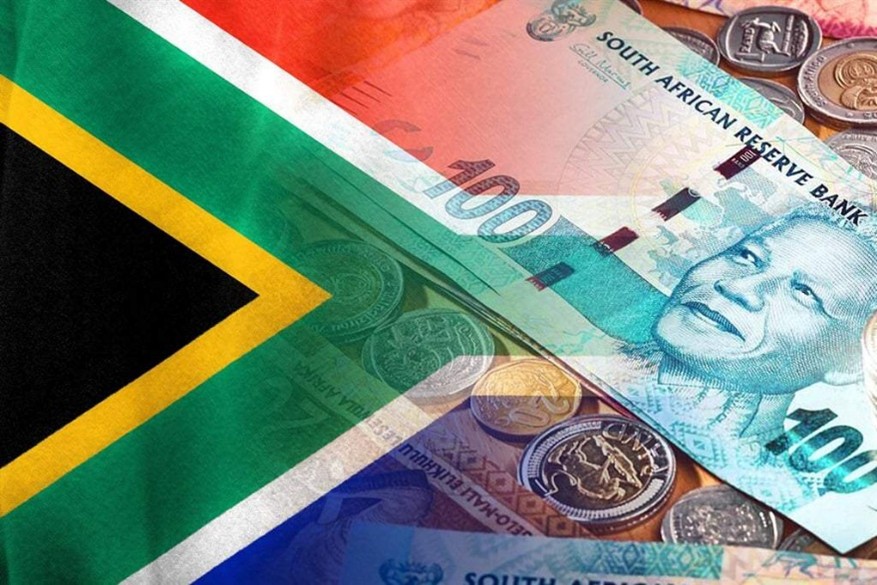
More positive news for motorists is that the rand/dollar exchange is also on their side. The rand remained relatively stable in July, even with the United States’s upcoming 30% tariff. Notably, the rand started the week heading in the wrong direction, led by dollar strength. After holding quite firmly at around R17.70 for much of the month, it pushed back towards R18.00 to the dollar. However, on Wednesday (23 July), the rand reversed course to around R17.55 to the dollar, as local tensions in the Government of National Unity (GNU) eased. Temperatures inside the grand coalition have been running high for months, with the two biggest parties, the ANC and DA, butting heads over multiple issues. There were big concerns that the 2025 Budget would falter at the final hurdle, with the DA voting against departmental budgets governed by ANC officials accused of corruption.
However, the party confirmed on Tuesday evening that it would vote to pass the necessary bills to make the budget work, after President Cyril Ramaphosa gave in to its demands to fire at least one of the accused. This boosted the rand, as confidence was restored that threats to the budget had now passed.

The stability of the Rand is dependent on the actions and cooperation of government and business alike. The African National Congress (ANC) shares the bulk of the ministerial departments with the DA. Both have different priorities and want to achieve different goals in this marriage of convenience. Externally the GNU has to be weary of protectionism policies such as the 30 % tariffs by United States President Donald Trump. When one door closes another one opens. The ANC and the DA have reconciled their differences in the view of insurmountable odds and the junior party in the coalition (the DA) has consented to allow its MPs to vote for those budget bills that support the stability of business. President Cyril Ramaphosa should possibly concentrate on reforming the ANC and removing those cabinet ministers who abuse their power. However, this is simpler said than done.
Now it seems the Ramaphosa and his leadership team have reached an understanding and agreement with the DA on how to improve their cooperation. This has proven good for the economy. Ramaphosa will be more cautious in how he fires his ministers in terms of government ethics. However deeper reform in terms of transparency and accountability is needed. The Rand however is on steadier ground.
Article written by:
Yacoob Cassim
Journalist at Radio Al Ansaar