
Medical imaging has become a routine part of modern healthcare. From headaches to minor injuries, scans are often used to quickly rule out serious conditions. What was once reserved for more critical cases is now increasingly part of everyday clinical decision-making.
As access to imaging continues to grow, a quieter question is beginning to emerge: are scans being used more than they actually need to be?
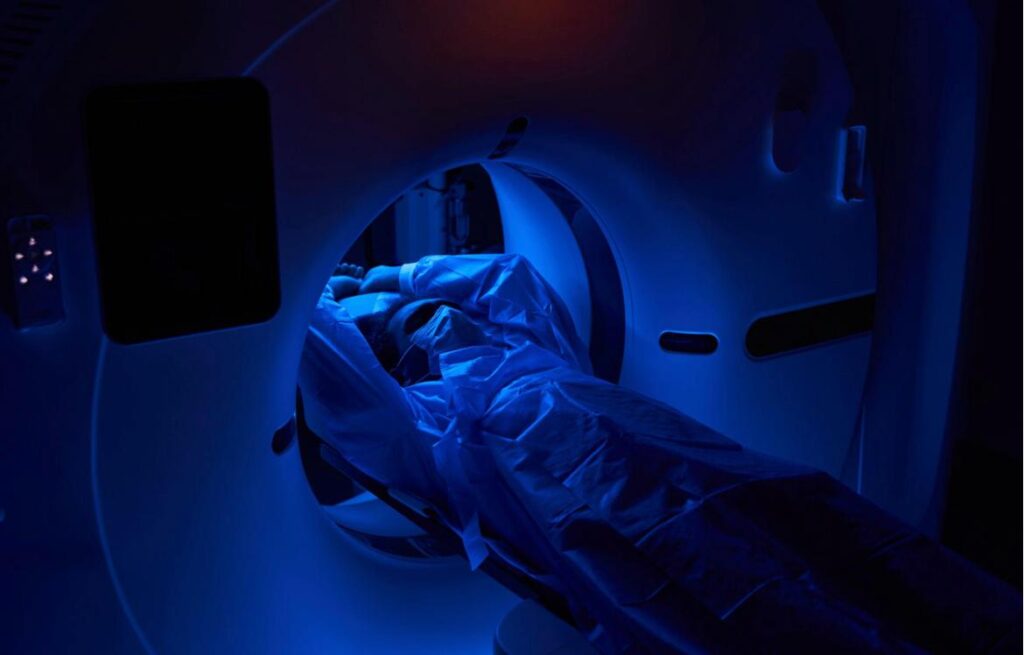
CT scans, in particular, are among the most powerful diagnostic tools available. They allow doctors to detect internal problems within minutes and can be life-saving in emergency situations. However, they are not without risk. According to Harvard Medical School, a single CT scan can expose a patient to significantly higher levels of radiation than a standard X-ray, sometimes equivalent to dozens of individual X-rays. While the risk from a single scan is generally low, repeated exposure over time becomes a growing consideration.
Research referenced by the National Institutes of Health has raised concerns about the increasing use of CT imaging, particularly in cases where the clinical need is not always clear. This does not suggest negligence, but rather highlights the pressures within the healthcare system that influence decision-making.
Radiographers working in Pietermaritzburg, who asked to remain anonymous, described a pattern where scans are frequently used as a precautionary measure. One explained that in many cases, imaging is requested to rule out potential issues quickly rather than to confirm a specific diagnosis. Another noted that there is often pressure from multiple directions, including time constraints, patient expectations, and the desire for certainty, all of which make scanning the most immediate option.
The broader implications of increased testing have also been highlighted by the BMJ, which has drawn attention to the concept of “too much medicine.” This refers to situations where additional testing does not necessarily improve patient outcomes and may, in some cases, lead to overdiagnosis.
One of the key concerns linked to this is the growing number of incidental findings. These are unexpected abnormalities detected during a scan that are unrelated to the original reason for testing. In many cases, these findings are harmless. However, once identified, they often lead to further investigations, specialist referrals, and increased anxiety for patients, even when no treatment is ultimately required.
Access to imaging also plays a role. In South Africa, the pathway to obtaining a scan can differ significantly depending on whether a patient has medical aid and the level of cover available. Patients with comprehensive cover may find imaging more accessible, while those without it may experience delays or be managed through alternative approaches. This raises an important consideration around whether imaging decisions are always driven purely by clinical need, or whether access and system factors also influence the process.
Radiographers point out that decision-making in practice is rarely based on a single factor. Time pressures, resource availability, and patient expectations all contribute to how quickly imaging is used as a diagnostic tool. In this environment, scans can become part of routine care rather than a carefully weighed decision.
At the same time, there remains a gap in patient awareness. Despite international initiatives such as Image Wisely and Choosing Wisely, many patients do not fully understand the level of radiation involved in CT imaging or the differences between various types of scans. As one radiographer noted, most patients do not ask about radiation, and many are unaware of the extent of exposure.
This is not an argument against medical imaging. CT scans continue to play a critical role in diagnosing and managing a wide range of conditions, often providing information that cannot be obtained through other means. The issue is not the technology itself, but how and when it is used.
As imaging becomes more accessible and more routine, the conversation is beginning to shift towards awareness rather than avoidance. The question is no longer simply whether a scan can be done, but whether it is necessary in each individual case.
In a healthcare system driven by speed, certainty, and access, more testing can often feel like better care. However, as current research and professional insight suggest, more does not always mean better. In some cases, it may simply mean more.
Article written by:
Hudaa Ahmed
Journalist at Radio Al Ansaar