Bashar al-Assad Sentenced to Death in Landmark Syrian War Crimes Case
11 August 2026
By: Thabile Duma
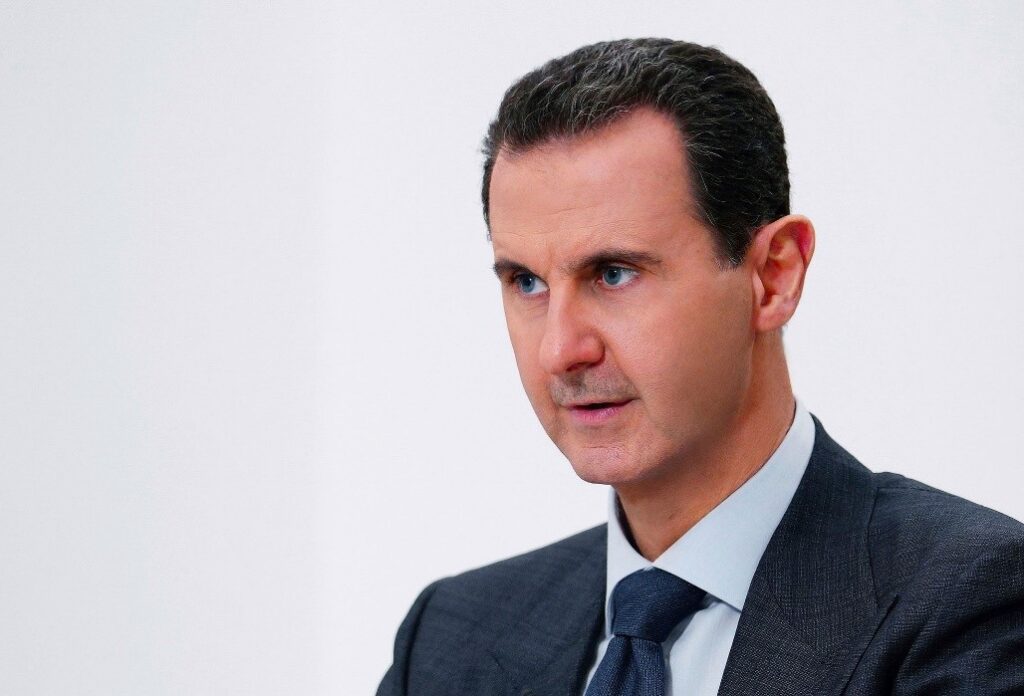
A court in Damascus has sentenced former Syrian President Bashar al-Assad to death in absentia. The ruling covers crimes committed during Syria’s nearly 14-year war. It marks the first conviction against the former leader since his government fell in December 2024.
The Fourth Criminal Court in Damascus on Tuesday (11 August 2026) convicted Assad of premeditated and intentional murder, including the killing of children, torture, arbitrary arrest and crimes against humanity. The court also sentenced his younger brother, Maher al-Assad, to death in absentia for premeditated murder and torture.
Assad and Maher fled to Russia following the collapse of the regime and have remained there since. The Damascus court has ordered international pursuit of both men.
Judge Fakhareddine al-Aryan told the court that Assad had used the machinery of the state to facilitate atrocities.
“Bashar Assad used state agencies to commit war crimes and crimes against humanity,” the judge said.
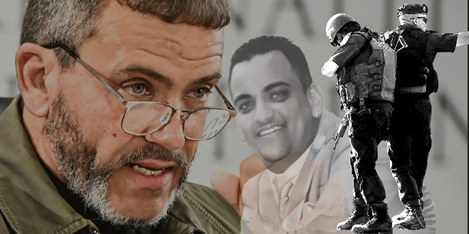
The court also sentenced Assad’s cousin, Atef Najib, to death. Unlike Assad and Maher, Najib was present in court. He stood inside the defendants’ cage wearing a prisoner’s uniform as the judge read the sentence.
Najib formerly headed political security in the southern province of Deraa. Prosecutors accused him of overseeing a violent crackdown on protesters during the early days of the 2011 uprising. The court found that the crackdown involved murder, torture, arbitrary detention and systematic killings.
Deraa became the flashpoint of the Syrian uprising after authorities arrested and tortured teenagers for writing anti-government graffiti on a school wall. The government’s response to the protests helped trigger an uprising that eventually developed into a devastating civil war.
Syrian authorities had detained Najib since January 2025. He was among the highest-ranking former regime officials to face trial in the country.
The ruling marks a dramatic reversal for a former president who ruled Syria for nearly 25 years and whose family dominated the country for more than five decades.
For Syria’s transitional authorities, the challenge now is to demonstrate that justice can be pursued through credible legal processes. They must also address the enormous scale of crimes committed during the conflict.