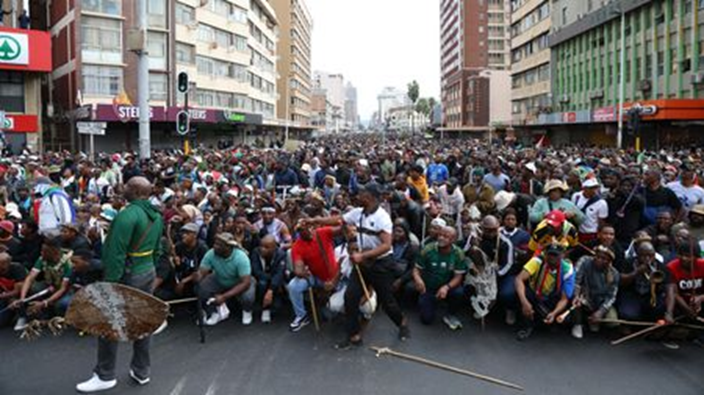

South Africa is reeling from the attacks and violence of 30th June. March and March vigilante movement left a trail of carnage in its wake. It was indiscriminate with shops and stalls owned by not only foreigners being targeted but also locals. This was the unvarnished truth across the country.
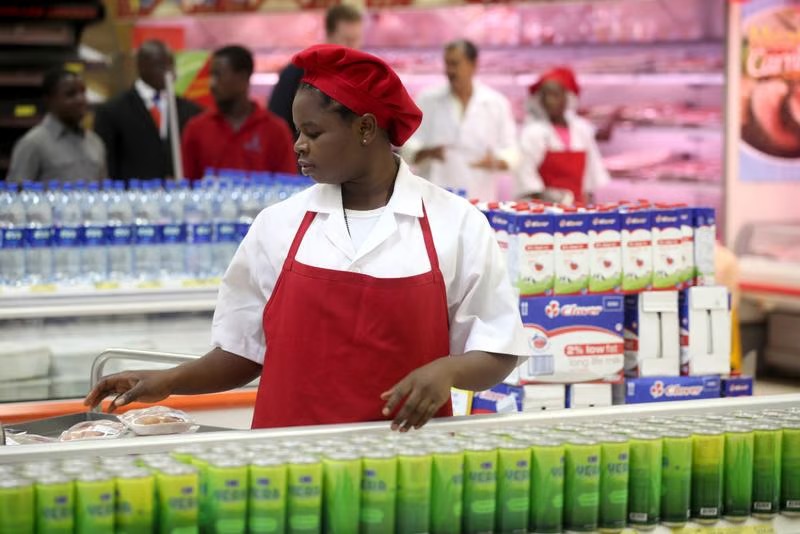
He (shop manager Muhammad) said the shop employed several locals, but now with extensive infrastructure damage and inventory losses, it was not clear if they could open again. The police were patrolling the area, but the number of shops being targeted outweighed the number of officers deployed. The South African National Defence Force (SANDF) was eventually deployed to quell the unrest, but the looters had already caused extensive damage. Windows were damaged, ATMs and fridges destroyed and shelves were picked clean. The ground outside the shops was soiled with spoiled food. During a media briefing on Wednesday, acting National Police Commissioner Puleng Dimpane said more than 900 people were arrested during demonstrations across the country, which were described as largely peaceful.
“The majority of those arrested were illegal foreigners and [for] looting as a result of law enforcement operations conducted alongside the protests. Some were arrested for public violence, some for harbouring illegal immigrants, business robbery at spaza shops,” said Dimpane.

It must be made clear that the March and March vigilantes attacked shops and market stalls that belonged to practically any one, be they foreigners, (both documented and undocumented) and also locals. It should also be made clear that the overwhelming destruction created by the vigilantes, could not be held back by the police. Although it was positive that the military was deployed to intervene, the anger of the vigilante mob unleashed by March and March leaves much to be desired in terms of managing crowd control. The lack of preparation for the actions of vigilantes and illegal immigrants alike casts a negative reflection on local law enforcement. The country as a whole has been dealt a bad light by the onslaught of March and March.
Investors and trade partners alike would not be pleased by the actions of vigilantes or the lack of preparedness by the government to prevent such destruction. South Africa is certain to lose business relations in terms of trade and investment, leading to job losses.
Meanwhile President Cyril Ramaphosa hosted the first Google Cloud Summit in both South Africa and Africa at the Sandton Convention Centre on Wednesday.

“The regional Google Cloud Summits are the premier technology and enterprise events for showcasing the latest innovations in cloud computing, AI [artificial intelligence] and digital transformation. This event affirms Africa’s position as a core growth region for the global cloud ecosystem. “This is so because Africa is no longer simply adopting technologies developed elsewhere. We are becoming a place where new digital solutions are imagined, tested and scaled,” President Ramaphosa noted. He highlighted that Africa has an opportunity to be at the cutting edge of industrialisation. “For far too long, Africa has had to play digital catch-up with the world’s leading and most industrialised economies. We are now presented with a unique opportunity to be in the driving seat of our own industrialisation and growth.
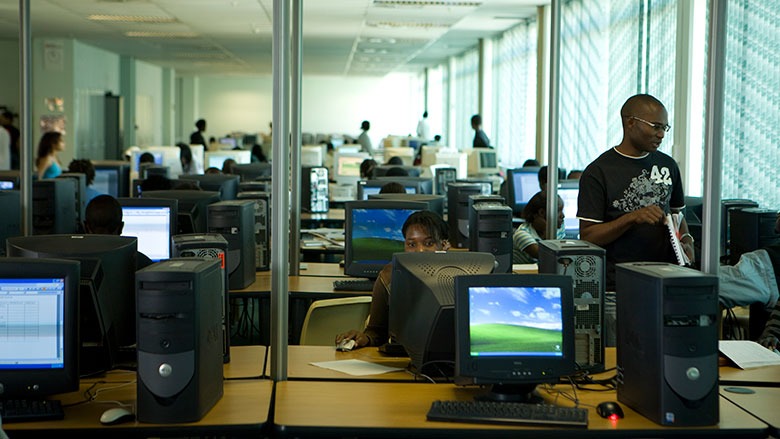
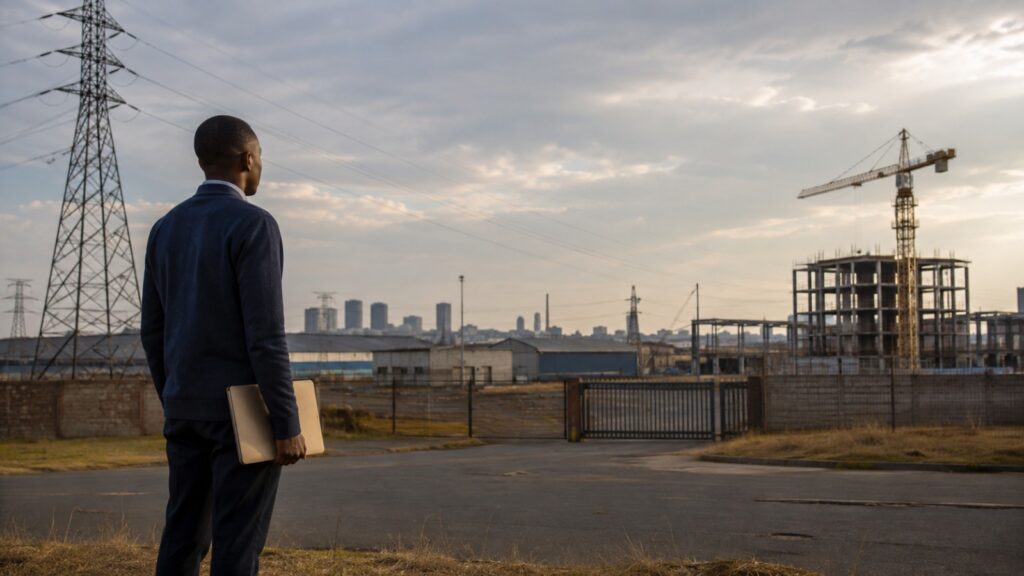
The President speaks about the digitalization and the technological upgrades needed to improve the South African economy. To improve business productivity South Africans, have to have good relations with their neighbours to improve trade relations and investment. Although it may be up to South Africans to charter their own course that course must run in concurrence with the concerns and interests of their trade partners and investors particularly their neighbours. Xenophobia and mob violence cannot have a place in professional business and trade relations. Cordiality is the key to sustaining these relations as well as being at the forefront of forging new economic alliances and partnerships, particularly with South Africa’s neighbours and the Southern African region. President Ramaphosa spoke at this Summit about how the nation must seize the unique opportunity to be in the driving seat of its own industrialization and growth. To do that it must cooperate alongside the other African states.
Otherwise, the future will be bleak and the country will be isolated.
Article written by:
Yacoob Cassim
Journalist at Radio Al Ansaar