
The market blinked – and in that split second, billions shifted.
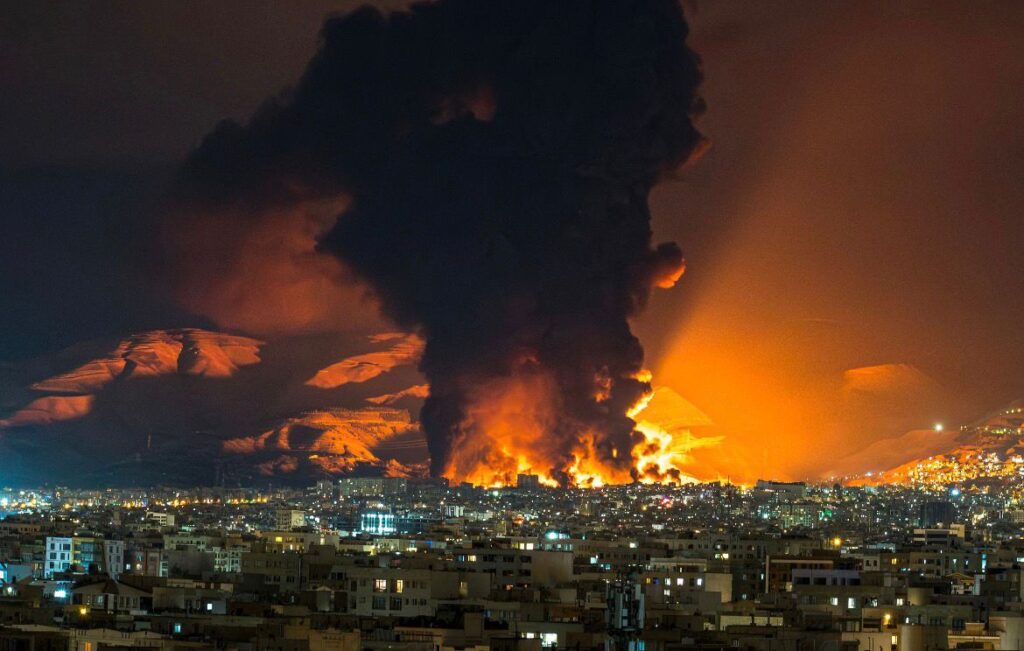
A proposed two-week ceasefire in the Middle East has triggered a sharp, almost impatient drop in global oil prices, as traders rush to price in a pause in conflict before it has even proven real. It is a reaction driven less by certainty and more by hope – and that is exactly what makes it dangerous.
This matters because oil is not just another commodity. It is the bloodstream of the global economy. When prices fall, it signals easing risk – but when that signal is premature, the consequences can ripple far beyond trading floors. A false sense of stability can distort decision-making, from government policy to household spending.
In recent trading sessions, crude oil prices have taken a notable bearish turn, with benchmarks slipping as markets respond to expectations of reduced supply disruption. Analysts tracking the situation note that volatility remains high, with prices reacting not only to confirmed developments but even to the suggestion of de-escalation. Energy markets are currently operating on anticipation, not outcome.
According to energy strategist Amrita Sen of Energy Aspects, “Oil markets are extremely sensitive to geopolitical headlines – even the perception of reduced risk can trigger immediate price adjustments, regardless of how durable those developments actually are.” Her warning is clear: sentiment is moving faster than reality.
The domino effect is already in motion. Lower oil prices ease pressure on inflation, potentially influencing central bank decisions, transport costs, and consumer spending. But if the ceasefire collapses – or fails to hold beyond the two-week window – the reversal could be swift and severe. Prices would not simply recover; they could spike sharply as markets scramble to correct their optimism.
History offers a cautionary pattern. Temporary pauses in conflict, particularly in the Middle East, have often provided only short-lived relief. Previous ceasefire attempts have broken down under unresolved political tensions, leading to renewed volatility in energy markets. Traders know this – yet still react, because timing the market often outweighs trusting the outcome.
Globally, the implications stretch far beyond oil. A sustained drop in prices could benefit energy-importing countries like South Africa, easing fuel costs and inflationary pressure. But for oil-dependent economies, particularly in the Gulf, falling prices threaten revenue stability and fiscal planning. At the same time, global supply chains – still fragile from years of disruption – remain exposed to sudden shocks if conflict reignites.
The real question is not whether oil prices have fallen. It is whether they should have.
Markets are betting on peace before it exists. And in doing so, they may be setting themselves up for the kind of correction that does not just move charts – it shakes economies.
Because if this ceasefire fails, the rebound will not be calm. It will be violent.
Article written by:
Hudaa Ahmed
Journalist at Radio Al Ansaar