
This is how wars start – not with missiles, but with deadlines.
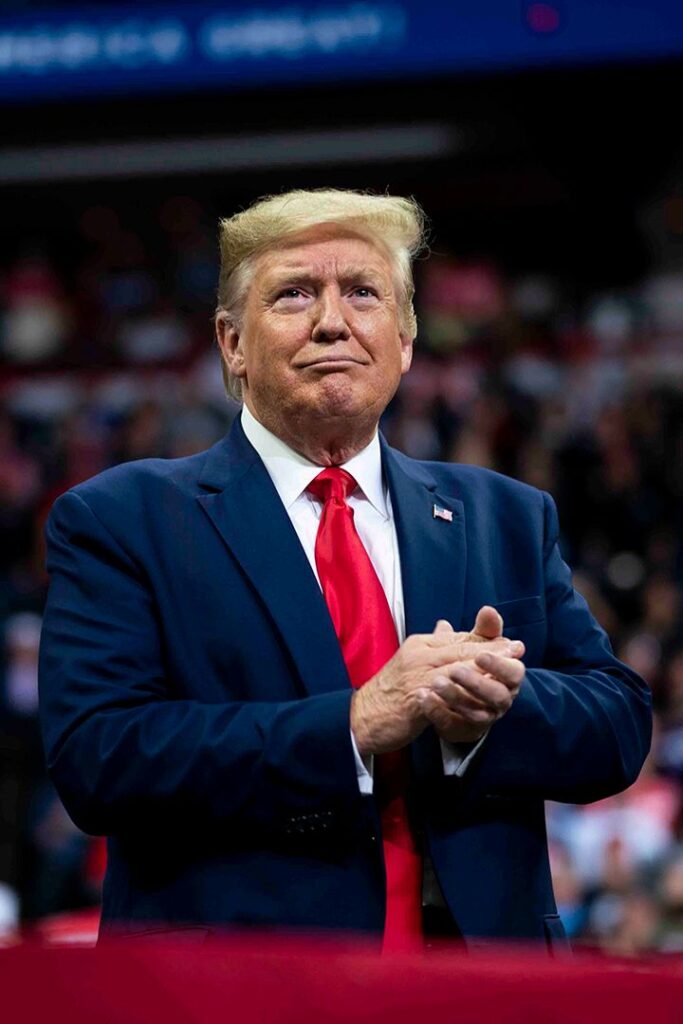
Donald Trump has issued a stark warning: if Iran does not comply within days, its critical infrastructure – power systems, bridges, national arteries – could become targets. His latest rhetoric on Truth Social wasn’t subtle. It was forceful, public, and dangerously specific.
This is not diplomacy. This is a ticking clock.
The stakes are massive. Striking infrastructure is not a symbolic act- it is a systemic one. It cripples economies instantly. Electricity grids power hospitals, water systems, communications. Bridges carry food, fuel, and emergency services. Take those out, and a country doesn’t just weaken – it stalls.
And when a nation like Iran is targeted, the consequences don’t stay local.
Recent conflict data shows a sharp rise in infrastructure warfare, with analysts noting a significant increase in attacks on energy and transport systems over the past decade. The logic is brutal but effective: disable the system, and you don’t need to defeat the army.
But this strategy comes with a cost.
According to experts at the Atlantic Council, “Infrastructure strikes are escalatory by nature – they expand the battlefield and make retaliation almost inevitable.” In other words, once that line is crossed, there is no clean exit.
And Iran is not a soft target.
It has spent years preparing for exactly this kind of pressure – building regional alliances, strengthening proxy networks, and investing in asymmetric warfare capabilities. A strike on its infrastructure would not end the conflict. It would reshape it.
That’s where the dominoes begin.
Oil markets would react immediately. Even the threat of disruption in the Middle East tightens supply expectations. Countries like South Africa- already vulnerable to global price swings- would feel it at the pump within days. Transport costs rise. Food prices follow. Inflation creeps in quietly, then all at once.
But the economic ripple is just the beginning.
Geopolitically, this moment tests the limits of global alignment. The United States acting unilaterally – or even aggressively- forces allies to choose sides. Some will support. Others will hesitate. Many will hedge.
Because the truth is uncomfortable: the global order is no longer unified. It is fractured, cautious, and increasingly reactive.
History has seen this pattern before.
From the lead-up to the Iraq War to past US-Iran escalations, deadlines have rarely produced compliance. They produce pressure. And pressure, when miscalculated, produces conflict. Once a public ultimatum is issued, backing down becomes politically costly- and following through becomes strategically dangerous.
It’s a trap dressed as a tactic.
Now the world waits.
If this is a bluff, it’s a risky one. Because credibility is on the line. If nothing happens, the threat weakens future leverage. But if action follows, escalation becomes almost guaranteed.
And if this is real- if the deadline holds- then the next phase of this conflict will not be quiet, contained, or predictable.
It will be fast. Structural. And impossible to ignore.
Because this is no longer about Iran alone.
It’s about how far power is willing to go- and what happens when it decides to prove it.
Article written by:
Hudaa Ahmed
Journalist at Radio Al Ansaar