
While South Africa continues to grapple with high unemployment, the United States is facing the opposite problem in one critical industry—it doesn’t have enough skilled workers to keep its electricity grid running.
That shortage is creating opportunities for experienced South African electrical line workers, with some positions offering the equivalent of more than R62,700 a month. Behind the attractive salary, however, is a much bigger story. America’s surging demand for electricity—driven by artificial intelligence, data centres, new manufacturing projects and ageing infrastructure—is fuelling a global search for skilled technical workers, with South Africans emerging as sought-after candidates.
Why America is looking overseas
Electricity demand in the United States is rising at a pace not seen in decades.
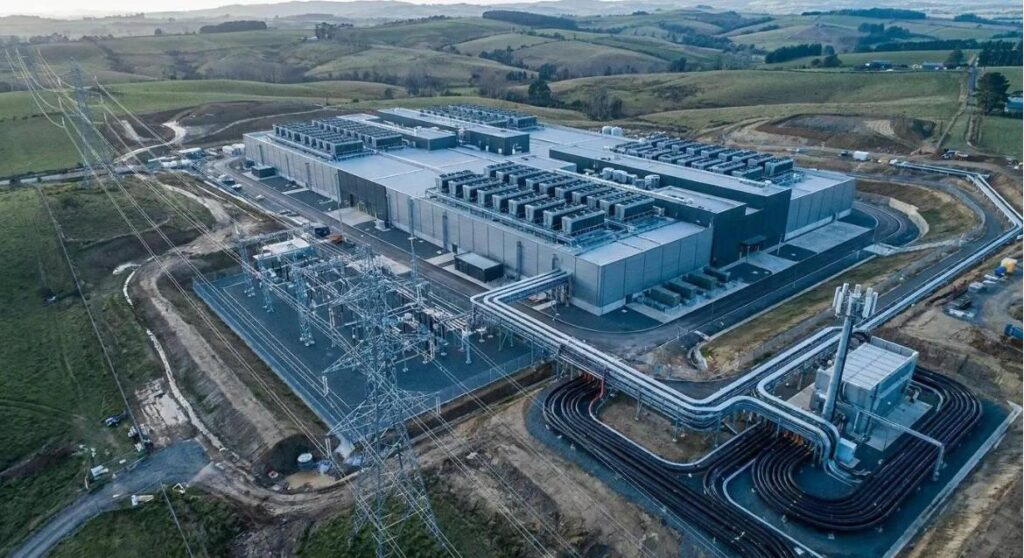
The rapid expansion of AI-powered data centres, advanced manufacturing and renewable energy projects is placing unprecedented pressure on the country’s power grid. At the same time, much of the existing electricity infrastructure needs upgrading, while a large portion of the current workforce is approaching retirement.
According to Reuters, industry leaders estimate that the US power sector will need well over 100,000 additional line workers by 2030 to meet growing demand and replace retiring employees. Faced with a widening skills gap, many utility companies and recruitment agencies are increasingly looking beyond American borders to find experienced workers.
Why South Africans are in demand
South African electrical line workers have built a reputation for operating in demanding environments and maintaining complex electricity networks, often under difficult conditions.
BusinessTech reports that American employers are increasingly targeting South Africans because of their technical expertise and practical experience in electricity transmission and distribution. For many qualified artisans, the opportunity offers significantly higher earnings, international experience and the chance to work on major infrastructure projects shaping the future of the US power grid.
The salary is attractive—but so are the challenges
The advertised earnings of around R62,700 a month are enough to catch anyone’s attention, but they come with considerable responsibility.
Power-line installers and repairers build, maintain and restore the high-voltage electricity networks that power homes, hospitals, businesses and entire cities. The work regularly involves climbing utility poles, operating at significant heights and responding to emergency outages caused by severe storms and other extreme weather.
Long shifts, overnight call-outs and hazardous working conditions have made the occupation one of the most dangerous skilled trades in the United States. However, experienced workers can substantially increase their earnings through overtime, emergency restoration work and specialised assignments, making it one of the country’s best-paying technical careers.
Who could qualify?
These opportunities are aimed at experienced electrical line workers rather than general job seekers.
Employers typically require recognised technical qualifications, experience working on transmission or distribution networks, a strong understanding of electrical safety procedures and the ability to work confidently around high-voltage infrastructure. Experience gained at utilities, municipalities or electrical contractors could place South African applicants in a strong position.
What does this mean for South Africa?
While these overseas opportunities could be life-changing for individuals, they also highlight a growing challenge for South Africa.
The country continues to depend on experienced artisans to maintain and improve its own electricity infrastructure. Eskom recently concluded a new three-year wage agreement with recognised unions following its Central Bargaining Forum process, underlining the importance of retaining skilled employees as the utility works to strengthen its network.
Yet as wealthier countries offer substantially higher salaries and long-term career opportunities, South Africa may find it increasingly difficult to hold on to the skilled workers needed to maintain municipal electricity networks, respond to outages and support the country’s long-term energy security.
The bigger picture
America’s recruitment drive is about far more than filling vacancies. It reflects a global race for skilled technical talent as countries invest billions in expanding and modernising their electricity infrastructure to meet the demands of an increasingly digital world.
For skilled South Africans, the opportunity represents the chance to earn more, develop internationally recognised expertise and build a career in one of the world’s largest energy markets.
For South Africa, however, it raises a more difficult question. As demand for local expertise grows overseas, can the country afford to lose the very people it depends on to keep its own power network running?
Article written by:
Hudaa Ahmed
Journalist at Radio Al Ansaar