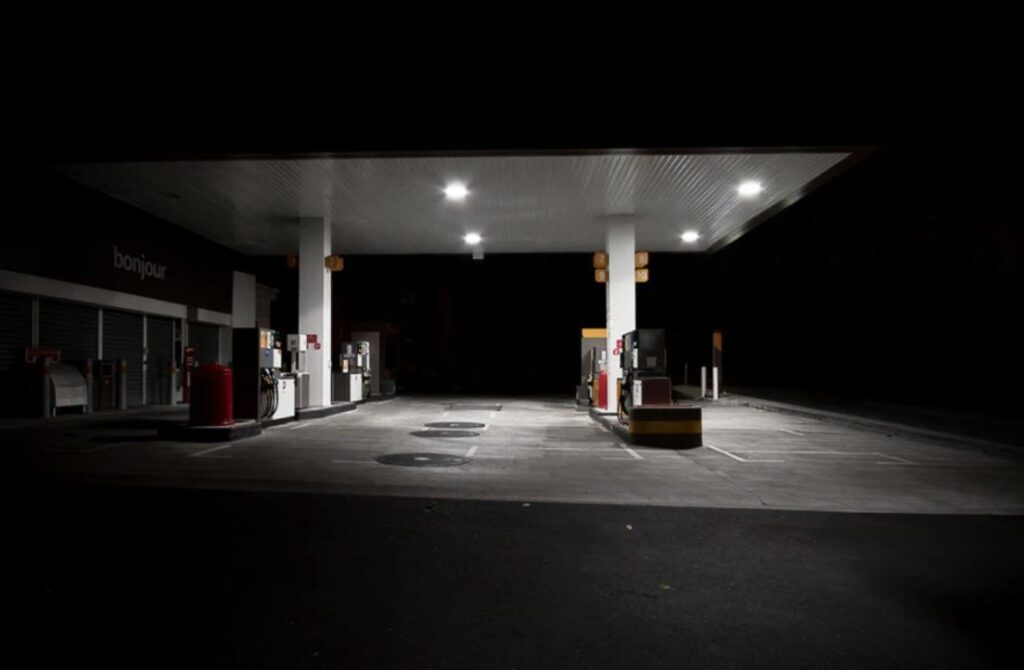

The war may be thousands of kilometres away, but its fingerprints are already showing up at petrol stations in Pietermaritzburg.
What appears to be a local inconvenience – delayed deliveries, tightening supply, growing uncertainty – is in reality the early ripple of a much larger global disruption. Energy markets are under pressure, supply routes are becoming more fragile, and countries like South Africa, which rely heavily on imported fuel, are beginning to feel the strain.
This matters because fuel is not just about mobility – it underpins the entire economy. It drives food production, transportation networks, supply chains, and essential services. When fuel supply becomes unstable, the impact does not stay contained. It spreads quickly, affecting prices, availability, and daily life.
Globally, energy systems are increasingly sensitive to geopolitical tension. According to the World Bank, conflict and instability remain among the most significant drivers of energy price volatility. Even the risk of disruption – not just actual supply loss – can trigger price increases and tighten availability across international markets.
Energy experts warn that the global system operates on a delicate balance. “Even minor disruptions in key supply routes can have outsized impacts on prices and availability, particularly for import-dependent economies,” notes analysis from the World Bank. This means that countries positioned far from production centres are often the first to feel indirect pressure.
The chain reaction is already taking shape. Rising tensions in key regions place critical shipping routes under threat. This increases the cost of transporting fuel, as insurance premiums climb and risk levels rise. Slower movement and higher costs begin to restrict supply. Import-reliant countries are then forced to adjust. Local distributors respond to uncertainty. Deliveries become less predictable. And gradually, local shortages begin to surface.
This pattern is not new. Global energy shocks have historically followed similar paths, from the oil crises of the 1970s to more recent disruptions linked to global instability. However, today’s interconnected systems allow these effects to travel faster and reach further. What once took months to unfold can now impact local markets within days.
The implications extend beyond petrol stations. Rising fuel costs feed directly into broader inflation, increasing the price of food, goods, and services. Businesses face higher operating expenses, while households absorb the financial pressure. Over time, what begins as a supply issue evolves into a wider economic challenge.
What is unfolding is not yet a full-scale fuel crisis – but it is a signal. The situation in Pietermaritzburg reflects early stress within a global system under pressure. If tensions escalate further, these disruptions may become more frequent and more severe.
Ultimately, the issue is not just about fuel availability. It is about vulnerability. South Africa’s reliance on imported energy leaves it exposed to external shocks beyond its control. As global instability continues to rise, the line between distant conflict and local consequence is becoming increasingly thin.
Article written by:
Hudaa Ahmed
Journalist at Radio Al Ansaar