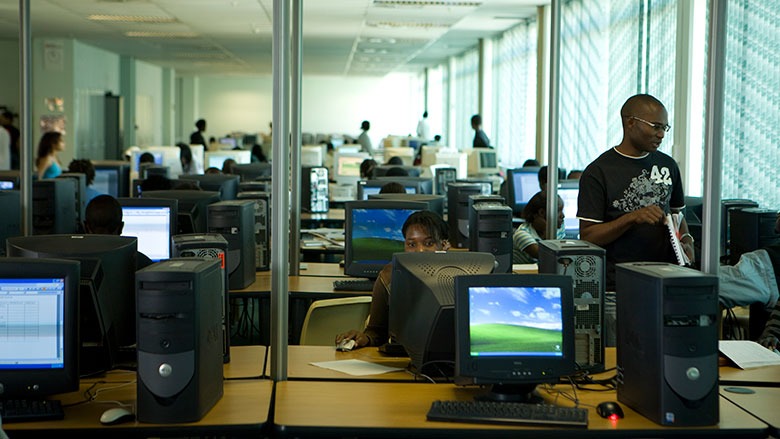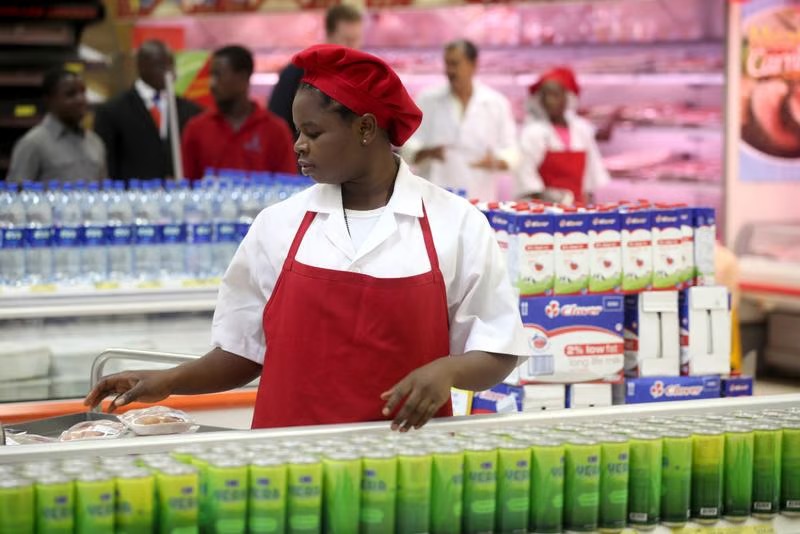

South Africa’s economic growth rose in March despite the overall impact of the United States-Iran war, though the nation still faces obstacles. According to the PayInc Economic Index, economic activity increased by 0.9% on a monthly basis, reaching an index level of 104.7 in March, said Shergeran Naidoo, Head of Stakeholder Engagements at PayInc. At this level, the index is 4.6% higher than a year ago. The latest readings point to strong momentum for the first quarter of 2026. Independent economist Elize Kruger noted that the cumulative impact of the tailwinds supporting the economy since 2025 has boosted economic activity.

Other data points include new car sales, which grew 17.3% year-over-year in March 2026, and the S&P Global Purchasing Managers’ Index (PMI) saw its first upturn in business conditions in six months. The Absa PMI also showed a marginal improvement in business activity in the manufacturing sector, though it remains below neutral levels. While the economic performance is encouraging, it is the calm before the storm, with the Iran war disrupting the economic scenario envisaged for South Africa and the world. South Africa was widely expected to turn the corner at the start of the year following years of subdued growth, but the US and Israel’s attacks on Iran changed the global outlook. The International Monetary Fund, in its latest World Economic Outlook report, downgraded its global economic growth by 0.2 percentage points to 3.1% due to the war.
For South Africa, the IMF downgraded South Africa’s growth to only 1.0% in 2026, slicing off 0.4 percentage points.

South Africa is at risk of rising fuel, transport, food, and other commodity prices. The country could face business foreclosures as the manufacturing sector shrinks, creating a domino effect across the economy. The future of trade and industry depends on finding new markets for energy and investment. The acceleration toward renewable energy is imminent. South Africa cannot put all its eggs in one basket when it comes to fossil fuels. Solar and wind power are already in development, and hydrogen could also play a role. President Cyril Ramaphosa and his cabinet must consider building stronger relations with oil-rich countries outside the Middle East. Malaysia in Southeast Asia is one option, while Nigeria and Gabon offer fuel sources closer to home. However, given the impact of global warming, the development of sustainable energy is essential.
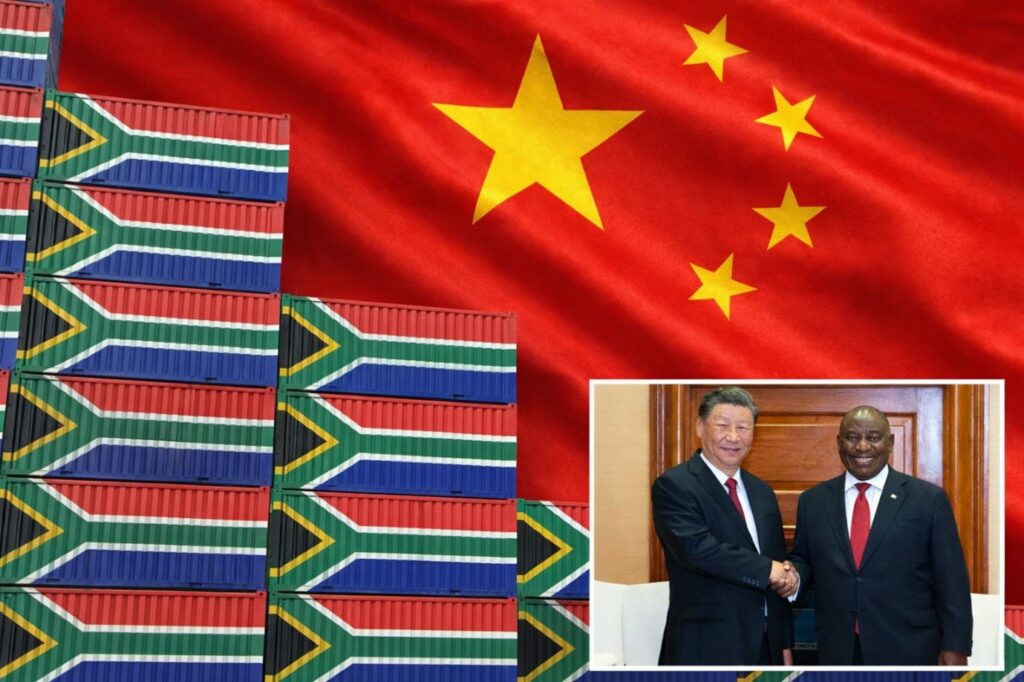
South Africa is also turning to alternative markets such as China, due to the imposition of tariffs on exports to the United States.
The policy, announced by Chinese President Xi Jinping, opens access to what has been described as a $3.5 trillion consumer market.
This comes as global trade faces uncertainty and rising tariffs elsewhere.
South Africa is being offered an opportunity to export to an alternative economy beyond the United States. Beijing is seeking to forge closer ties independent of Washington. U.S. President Donald Trump’s decision to wage war against Iran has not improved the situation.
(HLB CBS Group CEO Henico) Schalekamp said the biggest gains are likely in sectors where South Africa is competitive. “It can be anything where we could be competitive… more manufacturing or engineering or any specialised products that we manufacture.” He added that success will depend on how businesses position themselves and build relationships in China. “It depends on how clever the businesses operate… and relationships into the right sectors in China.”
Diligence is key when one door closes and another opens. China is offering a flourishing market for South Africa’s industries. In this way, the economy will grow without hassle; however, alternative markets are essential for securing energy sources, as stated before. These are needed to fuel both the transport and manufacturing sectors to deliver goods. This ensures revenue flows in and jobs are supported.
South Africa has an opportunity for change if both the state and private corporations cooperate to achieve growth and prosperity.
Article written by:
Yacoob Cassim
Journalist at Radio Al Ansaar