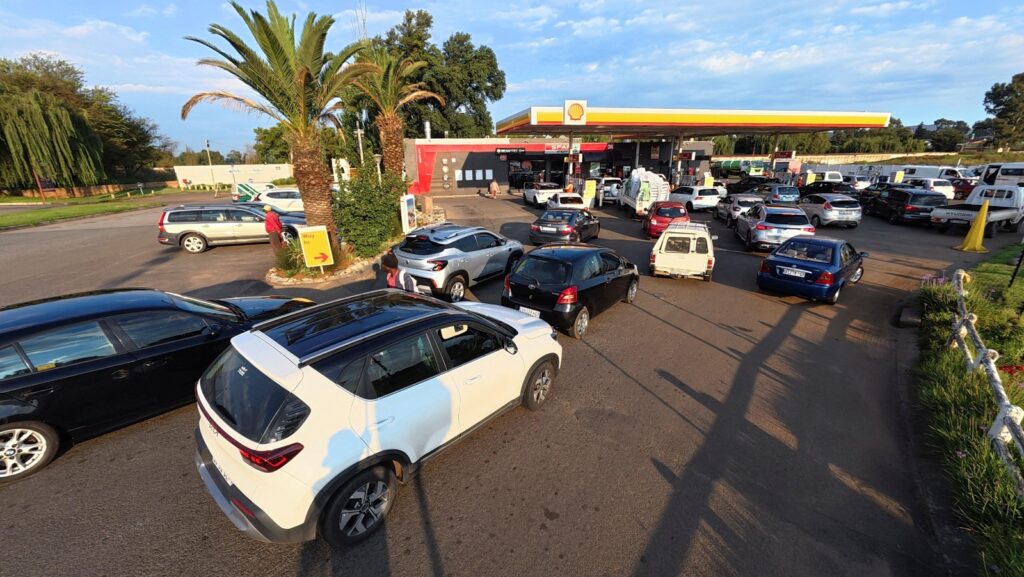

For decades, South Africans have lived by an unwritten rule: if you need to fill up, keep an eye on the first Wednesday of the month. That’s when the official petrol price changes, bringing either welcome relief or another blow to already stretched household budgets.
But that familiar routine could soon face its biggest challenge yet.
A proposal has been put forward suggesting that South Africa should consider adjusting the official fuel price every two weeks instead of once a month. While no decision has been made and the current system remains unchanged, the proposal has sparked debate about whether the country’s fuel pricing model still reflects the realities of today’s fast-moving global economy.
The conversation is about far more than what motorists pay at the pump. It raises a much bigger question: is South Africa’s decades-old fuel pricing system still fit for purpose?
At present, the Department of Mineral and Petroleum Resources (DMPR) adjusts the official fuel price once every month using a regulated pricing formula. The price motorists pay is influenced by several factors, including international crude oil prices, the rand-dollar exchange rate, shipping and transport costs, wholesale and retail margins, and taxes and statutory levies that together make up the Basic Fuel Price.
Because South Africa imports much of its crude oil and petroleum products, events taking place thousands of kilometres away can quickly influence local fuel costs. A conflict in the Middle East, a decision by major oil-producing countries to increase or reduce production, or even a sudden movement in the value of the rand can all affect what South Africans eventually pay at the pumps.
Supporters of the proposal argue that the current monthly adjustment no longer reflects how quickly global markets move.
Oil prices can rise or fall within hours. The rand can strengthen or weaken in a single trading day. Yet motorists continue paying the same regulated price until the next official adjustment, even if international market conditions have changed dramatically in the meantime.
A fortnightly pricing system, supporters argue, would allow local fuel prices to respond more quickly to global conditions. If international oil prices fall sharply, motorists could benefit sooner instead of waiting several weeks for lower prices. Likewise, increases could be introduced in smaller, more gradual adjustments instead of building into one significant monthly jump.
For millions of South Africans, petrol is no longer just another monthly expense. It often determines whether there is enough money left for groceries, school transport, electricity, or unexpected emergencies. Even relatively small movements in fuel prices can quietly reshape an entire household budget.
Many motorists deliberately wait until payday before filling their tanks. Others rush to fuel stations the day before an expected increase or postpone filling up when a decrease is expected. That monthly rhythm has become part of everyday financial planning. If prices were reviewed every two weeks, motorists, businesses and transport operators could find themselves watching fuel prices far more closely throughout the month.
The impact would extend well beyond private vehicles.
Petrol does not stop at the fuel pump. The truck delivering bread to supermarkets, the taxi taking workers home, the courier bringing online purchases to your door and the farmer transporting fresh produce all rely on fuel. When fuel becomes more expensive, those costs quietly spread through the economy until consumers end up paying more for everyday essentials. When fuel prices fall, the opposite can happen, easing some of the pressure on businesses and households alike.
Supporters believe more frequent price reviews could make the system fairer and more responsive to market conditions. Instead of waiting weeks for international price decreases to filter through, motorists could benefit sooner. Smaller and more regular adjustments may also reduce the sharp monthly increases that often dominate headlines.
Critics, however, point to one major advantage of the current system: certainty.
Businesses, transport operators and households know exactly when fuel prices change and can budget accordingly. A fortnightly pricing model could introduce greater uncertainty, forcing businesses to monitor fuel costs more regularly while making it harder for consumers to predict their monthly transport expenses.
The debate comes at a time when global energy markets remain highly volatile. Geopolitical tensions, changing oil production levels, shifts in international demand and fluctuations in the rand continue to influence South Africa’s fuel costs. These factors formed part of the July 2026 fuel price adjustment, when lower international oil prices and a stronger rand contributed to reductions in both petrol and diesel prices, despite the reinstatement of the full fuel levy.
South Africa’s monthly fuel pricing system has provided motorists with stability and predictability for decades. But it was introduced during a period when global markets moved far more slowly than they do today. In an era where oil prices can change within hours and financial markets react instantly to international developments, some believe the country’s pricing model should evolve alongside the global economy.
For now, motorists do not need to prepare for immediate changes. The proposal remains under discussion, and the monthly fuel price adjustment system remains firmly in place.
However, the debate has already highlighted something much bigger than a possible change in fuel pricing.
Petrol does not stop at the fuel pump. It influences the price of food, public transport, deliveries, farming, manufacturing and countless everyday essentials. Few products have such a direct impact on the cost of living.
Whether the proposal is eventually adopted or quietly shelved, it has raised an important question about whether South Africa’s fuel pricing system still belongs in a rapidly changing global economy. For decades, motorists have planned their lives around one predictable fuel price adjustment every month. If that certainty disappears, the biggest change may not be what South Africans pay at the pumps—but how they budget, travel and manage the rising cost of living. In that sense, this debate is about far more than petrol. It is about how an entire country adapts to a world where economic change no longer happens once a month—it happens almost every day.
Article written by:
Hudaa Ahmed
Journalist at Radio Al Ansaar