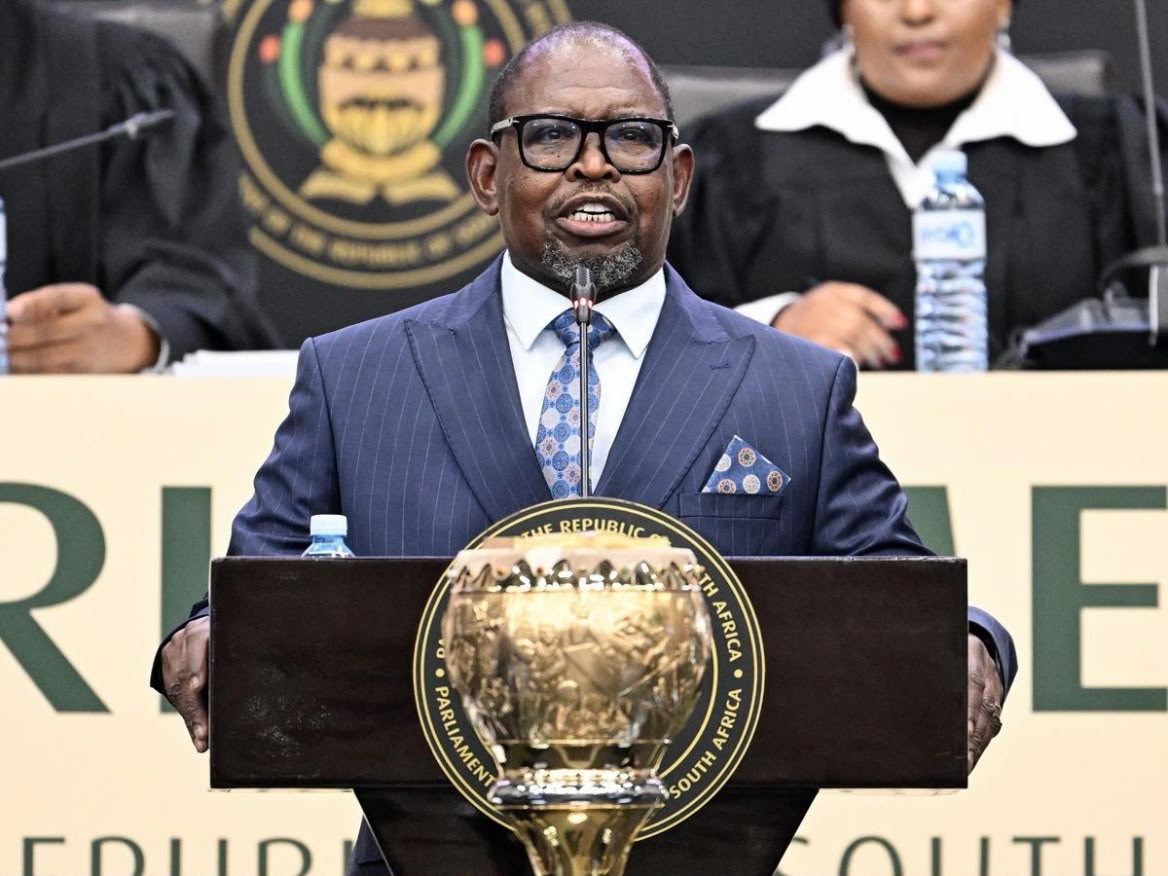
National Treasury wants a greater say in appointing municipal financial chiefs as part of sweeping reforms aimed at tackling financial mismanagement, wasteful spending, and weak accountability in South African municipalities.
Announced by Finance Minister Enoch Godongwana on Wednesday, 21 October 2026, the proposed municipal finance reforms could change how councils manage public money and how officials are held accountable for financial misconduct.
Treasury Wants Greater Control Over Municipal Finances
One of the biggest proposed changes would give National Treasury a direct role in appointing municipal chief financial officers (CFOs), who oversee council budgets and spending.
National Treasury director-general Duncan Pieterse explained that the proposal is specifically targeted.
“The current proposal that is in the MFMA is for the National Treasury to play a role in CFO appointments only,” Pieterse said.
The reforms would also introduce:
- Stronger measures to investigate financial misconduct.
- Frameworks to recover money lost through unlawful spending.
- Earlier intervention protocols when municipalities face serious financial distress.
However, the proposed changes have not yet become law and remain open to public comment.
What These Reforms Mean for South Africans
For residents, the changes could directly affect how local governments manage money intended for water, electricity, sanitation, and other essential services.
Treasury wants councils to approve realistic budgets, collect outstanding payments more effectively, and protect basic services for poorer households. Poor financial management regularly leaves municipalities struggling to maintain aging infrastructure, pay service providers, and deliver reliable services.
While stronger oversight could help prevent these problems, the proposed municipal finance reforms do not offer an immediate guarantee of improved service delivery on the ground.
Why Municipal Financial Accountability Matters
The proposals come as dozens of South African municipalities continue to face critical financial failure. Earlier this year, National Treasury withheld funding from 69 municipalities over failures to comply with basic financial management requirements. Treasury later agreed to release R7.1 billion to 49 municipalities to prevent the total collapse of essential services.
The funding dispute highlights severe financial pressures in local government and the urgent need for structural oversight.
“South Africa needs accountable, well-managed cities and towns that provide reliable services,” Godongwana stressed.
He confirmed that national government is actively stepping in to assist distressed municipalities and build long-term operational stability.
What Happens Next?
The draft amendments form part of the first comprehensive overhaul of the Municipal Finance Management Act (MFMA) in 23 years.
National Treasury has published the proposed amendments for public comment before they proceed through Parliament. For now, municipal councils retain their existing appointment powers, but big changes could be on the horizon pending the final legislative outcome.