
Johannesburg may be South Africa’s economic powerhouse, but Eskom’s latest warning to the city has exposed growing fears about whether the country’s major municipalities can still afford to function effectively.
In a dispute that has drawn national attention, Eskom has threatened to reduce or interrupt electricity supply to Johannesburg over billions of rand in unpaid debt owed by the City and its entities. Reports place the disputed amount between R5.2 billion and R6.8 billion, with Eskom warning that continued non-payment could result in serious consequences if urgent agreements are not reached.
For many South Africans, the warning feels larger than another billing dispute. In a country where rolling blackouts have become normalised, the possibility of financial power restrictions affecting the country’s biggest metro no longer feels like a temporary crisis – it feels like a warning about the condition of the state itself.
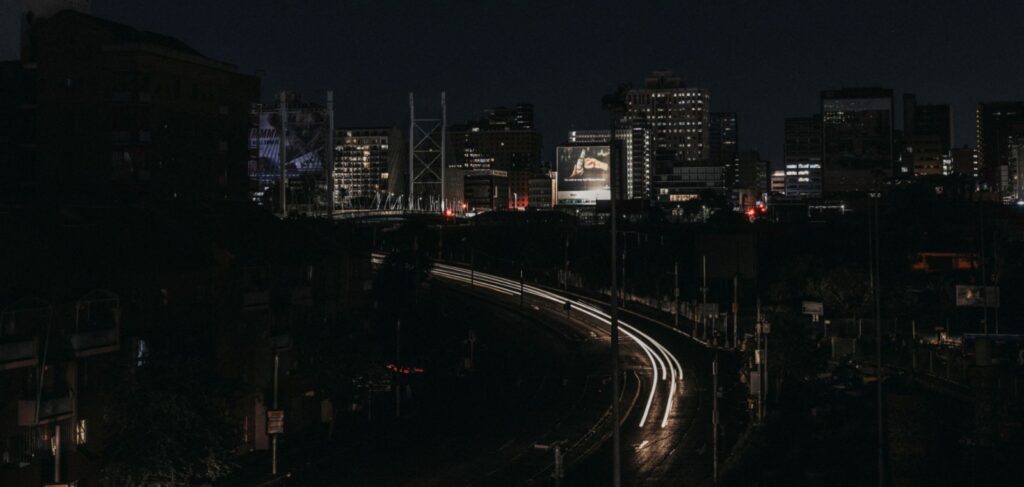
Johannesburg is not simply another municipality. It is the financial heart of South Africa, home to major banks, businesses, transport networks, and millions of residents whose daily lives depend on stable electricity. A serious disruption to power supply in the city would ripple far beyond inconvenience, affecting economic activity, public confidence, and already strained infrastructure systems.
The symbolic weight of the dispute is difficult to ignore. A power conflict involving Africa’s richest square mile and the country’s largest metro would once have seemed unthinkable. Today, however, it reflects a broader reality confronting many South Africans: institutions responsible for delivering basic services are operating under increasing financial and operational pressure.
The standoff has once again highlighted the fragile relationship between Eskom and municipalities across the country. While municipalities collect revenue from residents and businesses for electricity usage, many have struggled to keep up with payments due to financial mismanagement, ageing infrastructure, operational inefficiencies, and rising service delivery costs.
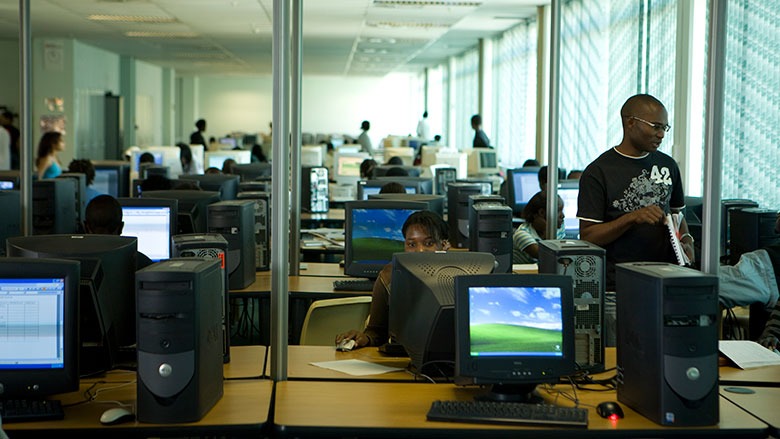
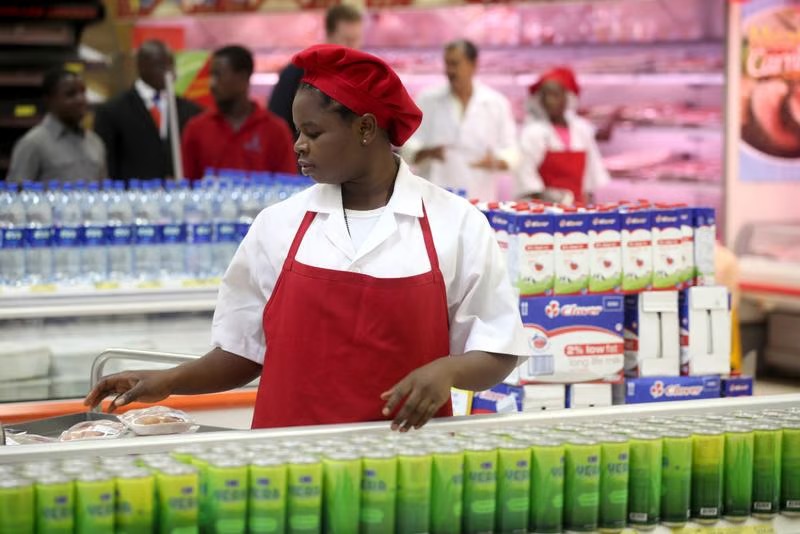
For ordinary residents, the fear is not simply about darkness. Unstable electricity supply affects hospitals, traffic systems, internet access, security infrastructure, food storage, and economic productivity. Small businesses remain particularly vulnerable after years of load shedding, slow economic growth, and rising operating costs. For many households already under financial pressure, the thought of further instability deepens frustration and uncertainty about the future.
The dispute also raises broader questions about the financial sustainability of municipalities nationwide. Across South Africa, several municipalities continue to battle rising debt, deteriorating infrastructure, water shortages, electricity failures, and ongoing service delivery protests. Analysts have repeatedly warned that without stronger financial governance and infrastructure management, pressure on both residents and national utility providers will continue to intensify.
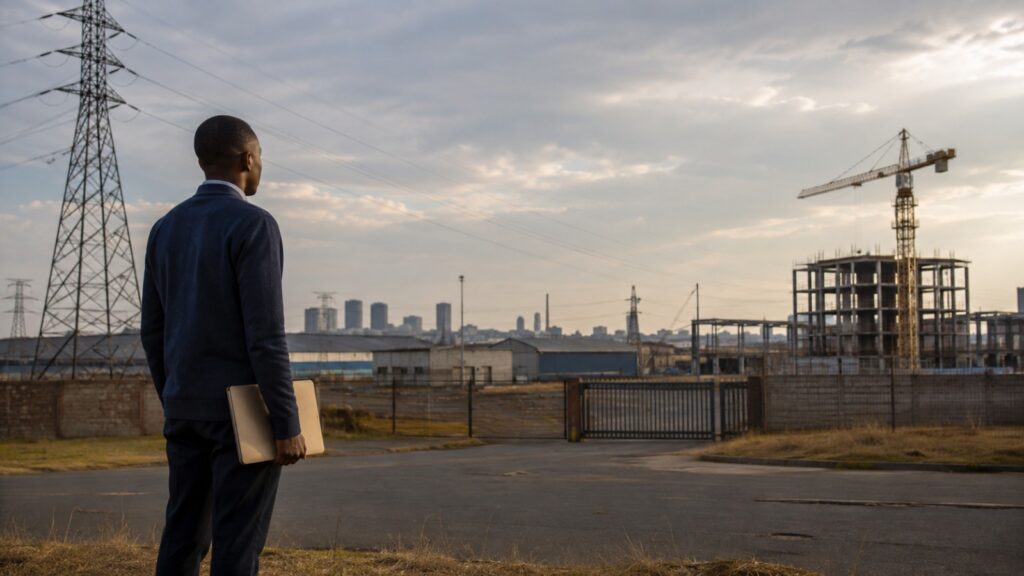
While the dispute is centred in Johannesburg, the concerns it raises extend beyond Gauteng. For residents in Pietermaritzburg and other smaller cities, the standoff may serve as a warning sign about the growing financial and infrastructure pressures facing municipalities across South Africa. As service delivery challenges and operational costs continue to rise nationwide, questions around long-term municipal sustainability are becoming increasingly difficult to ignore.
What makes the Johannesburg dispute especially significant is the message it sends about the wider condition of local government. If South Africa’s largest and wealthiest metro is struggling with debt at this scale, concerns naturally grow about the financial health of smaller municipalities with fewer resources and weaker revenue bases.
The matter has also attracted international attention, with global financial and media institutions monitoring developments around South Africa’s energy stability and municipal finances. Reliable electricity remains one of the country’s most critical requirements for economic growth, investor confidence, job creation, and long-term development.
While discussions between Eskom and the City of Johannesburg are expected to continue, the dispute has already exposed a deeper national concern: South Africans are increasingly paying more for services delivered by institutions operating under mounting financial strain.
The battle between Eskom and Johannesburg is no longer only about unpaid electricity bills. It is becoming a test of whether South Africa’s cities can maintain the financial stability, governance, and infrastructure needed to support the country’s economy in the years ahead.
Article written by:
Hudaa Ahmed
Journalist at Radio Al Ansaar