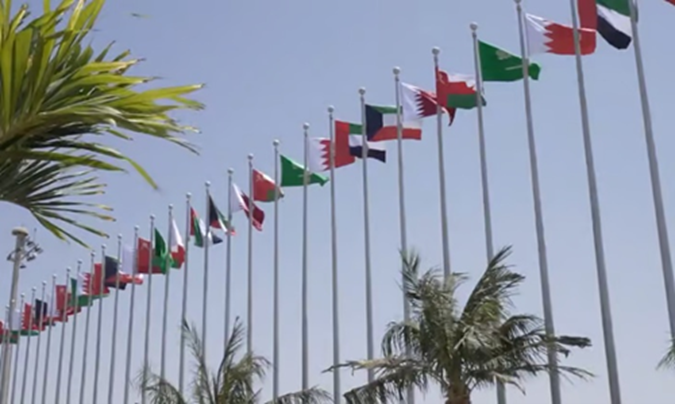

During a summit in Jeddah, Saudi Arabia, the Gulf Cooperation Council (GCC) called for accelerated progress on shared defense capabilities, including the development of an early warning system for ballistic missile threats. The meeting, held on Tuesday, April 28, 2026, underscored the Gulf monarchies’ closer alignment in response to regional instability, while also highlighting intensified efforts to deepen economic, military, and infrastructure integration aimed at strengthening long-term security and resilience.

The GCC leaders reaffirmed their strategic position that the security of member states is indivisible. They emphasised that any attack on one member state constitutes an attack on all, in accordance with the GCC Joint Defence Agreement. They also reiterated the right of member states to defend themselves individually or collectively under Article 51 of the UN Charter, including the use of all necessary measures to protect sovereignty, territorial integrity, and national stability. In this context, the leaders praised the readiness and effectiveness of the armed forces of GCC countries in responding to missile and drone attacks. They highlighted the professionalism demonstrated in intercepting and neutralising threats, and ensuring the protection of critical infrastructure and civilian lives.

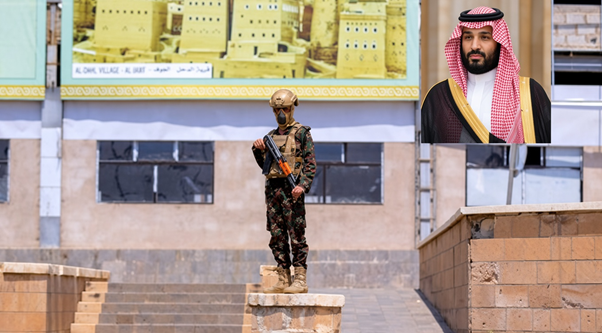
The representatives and rulers of the GCC’s six member states are seeking to rely on their own collective strength to cooperate militarily against Iran’s aggression. The GCC now faces the reality that overreliance on the United States (US) for protection has left them vulnerable. US President Donald Trump has miscalculated his country’s military capabilities in attempting to subjugate Iran. As a result, Saudi Arabia (the GCC’s largest member) and the bloc’s other states have borne the brunt of Tehran’s ballistic attacks. It should also be noted that many of the monarchs and their heirs present at the Jeddah Summit are motivated by the desire to preserve their own power and security, portraying Iran as their primary enemy. Yet they have not acknowledged that their close alliance with Washington, and the presence of American military bases on their territory, is a major contributing factor to their predicament.

A significant point of discussion was maritime security, particularly in relation to the Strait of Hormuz, one of the world’s most critical shipping routes. The GCC leaders firmly rejected what they described as illegal measures to restrict navigation in the Strait, including attempts to impose fees or obstruct maritime traffic. They called for the full restoration of safe and unrestricted navigation, and for conditions in the Strait to return to their pre-crisis state as of February 28, 2026.
The leaders emphasised that any disruption to maritime traffic in this corridor would have serious implications not only for regional stability but also for global energy and trade flows.
The Strait of Hormuz is a vital thoroughfare for petroleum. The ongoing war waged by Israel and the United States has resulted in the strait being blockaded. Depending on the duration of the conflict, Tehran is likely to maintain the blockade. At present, Riyadh, Abu Dhabi, Doha, Muscat, Manama, and Kuwait have limited options to lift it. The imposition of fees on maritime traffic through the Strait of Hormuz could drive oil prices higher. Washington and Tel Aviv should withdraw their weapons arsenals and recognize the risks of prolonging this war, particularly as Iran has been preparing for such a scenario for over a decade. Global energy and trade flows through the Gulf may remain restricted by the blockade. Saudi Crown Prince Mohammed bin Salman, Emirati President (and Amir of Abu Dhabi) Mohammed bin Zayed Al Nahyan, and their GCC allies should leverage their economic influence on the United States to bring the conflict to an end.
Article written by:
Yacoob Cassim
Journalist at Radio Al Ansaar