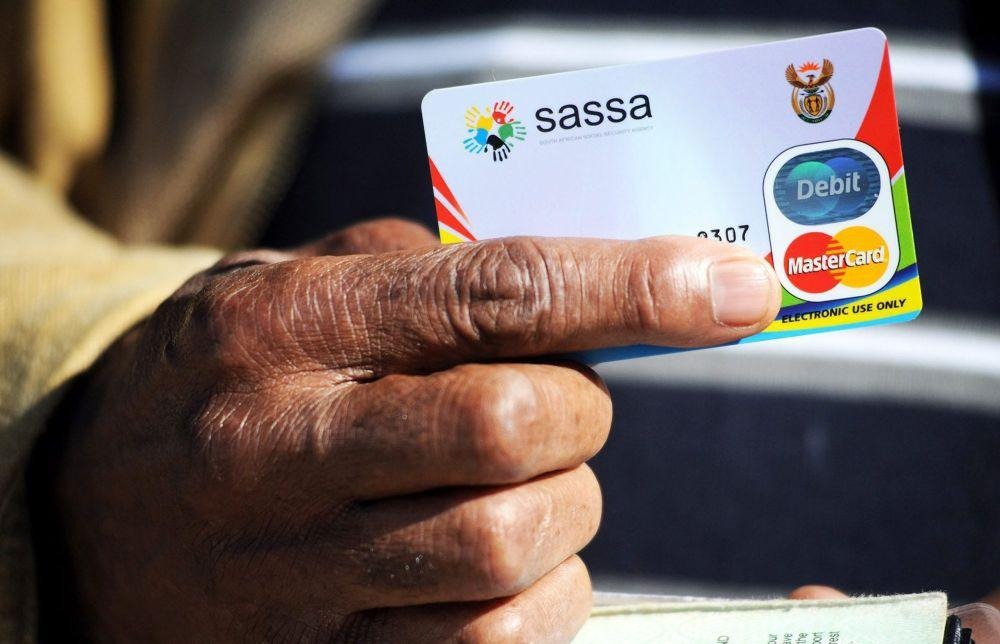

For millions of South Africans, a SASSA grant is far more than a monthly payment. It is the money that buys food, keeps the lights on, pays for transport and helps families survive from one month to the next. That is why an approaching deadline from Postbank is more than just an administrative update — it is a reminder that delaying action could lead to unnecessary disruptions when grant payments are due.
Beneficiaries who are still using the SASSA Gold Card have until 31 August 2026 to replace it with the new Postbank Black Card. After that date, Gold Cards will no longer function for grant-related transactions, making it essential for beneficiaries who have not yet switched to act as soon as possible.
South Africa’s social grant system supports millions of people every month, with grants often serving as the primary — and sometimes the only — source of income in a household. In many cases, one grant stretches far beyond the individual recipient, helping to feed children, support unemployed family members and cover essential day-to-day expenses. Any disruption in accessing that money can have immediate consequences for entire families.
Although the replacement programme has been underway for several months, Postbank continues to urge beneficiaries not to leave the process until the final weeks. As the deadline draws closer, replacement centres are expected to become busier, increasing the likelihood of longer queues and avoidable delays for those who wait.
The replacement process itself is straightforward. Beneficiaries need only present a valid South African identity document or temporary ID at a participating replacement site. The new Postbank Black Card is issued free of charge, and any funds already in the beneficiary’s account remain safe and available once the new card has been activated.
Replacement cards can be collected at participating Shoprite, Checkers, Boxer, Pick n Pay, Usave and Spar stores across the country that are part of the rollout programme. Beneficiaries are encouraged to make the switch well before the deadline to avoid the expected rush as the end of August approaches.
Postbank has also reminded beneficiaries to remain vigilant against fraud. Replacing a card is free, and no legitimate official will ever ask beneficiaries to pay for a replacement, reveal their PIN or hand over their banking details. Anyone needing assistance should use only official Postbank channels and authorised replacement sites.
The nationwide rollout also shines a light on a broader reality. For many elderly beneficiaries, people living with disabilities and those in rural communities, replacing a card is not always as simple as visiting the nearest store. Transport costs, long travelling distances and lengthy queues can all become barriers, making it even more important to complete the process before demand peaks.
Ultimately, this story is not about replacing a piece of plastic. It is about protecting uninterrupted access to an income that millions of South Africans depend on every single month. Missing a payment window, even temporarily, can place enormous strain on households already living under financial pressure.
With the countdown to 31 August well underway, the message is becoming increasingly urgent. Beneficiaries who replace their cards now can avoid the last-minute rush and continue receiving their grants without interruption. In a country where social grants remain one of the most important safety nets for vulnerable families, acting today could spare thousands of South Africans unnecessary stress tomorrow.
Article written by:
Hudaa Ahmed
Journalist at Radio Al Ansaar