
The most dangerous thing about this war isn’t the missiles – it’s what it’s revealing.
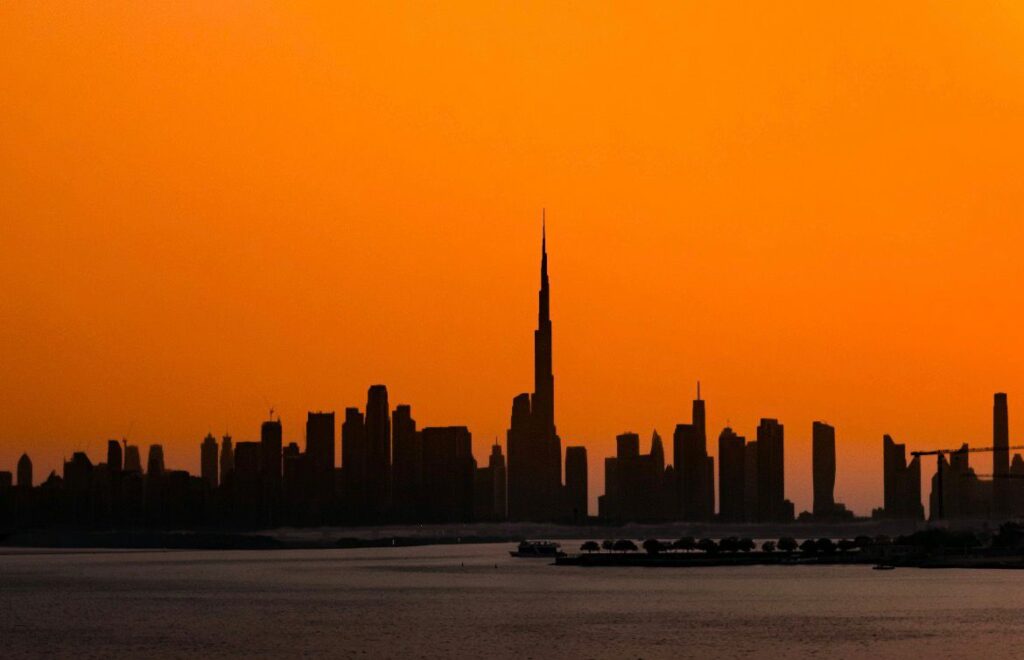
For decades, the Gulf sold the world a powerful idea: stability, wealth, control. Cities like Dubai and Riyadh became symbols of what happens when oil money meets long-term vision.
But now, as tensions with Iran escalate, that image is starting to crack.
Not because the Gulf is weak – but because its entire economic model depends on something war destroys instantly: certainty.
And that’s the twist no one is saying out loud.
This isn’t just a conflict. It’s an exposure.
The Gulf Cooperation Council (GCC) economies sit at the heart of global energy and trade. On paper, they look untouchable – massive reserves, sovereign wealth funds, ambitious diversification plans.
But those plans rely on one fragile assumption: that the region remains stable enough for investors, tourists, and global capital to keep flowing in.
That assumption is now under pressure.
According to the International Monetary Fund, escalating tensions with Iran are expected to weigh on economic growth across the GCC, as uncertainty begins to affect investment flows and financial conditions. This isn’t theoretical – it’s already feeding into market behaviour.
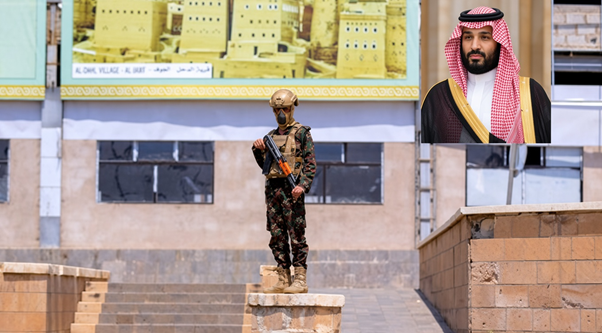
At the same time, reports that Saudi Arabia and the UAE could consider deeper involvement in the conflict change the game entirely. This is no longer about proximity to risk.
It’s about becoming the risk.
And here’s where the illusion really breaks.
Higher oil prices should be good news for Gulf economies. But this time, it’s not that simple.
Yes, revenues rise. But so does everything else.
Fuel costs surge. Food prices follow. Transport becomes more expensive. Insurance premiums spike. Supply chains tighten.
As highlighted in Gulf-based economic reporting, the impact hits households quickly – monthly expenses increase, and inflation begins to bite. The same oil that funds these economies starts quietly pressuring the people living inside them.
That’s not strength. That’s a trade-off.
An analyst cited in Gulf News explains it bluntly: when fuel prices rise, the effect is immediate and widespread – “it filters through to food, transport, and everyday living costs.”
That single line exposes the deeper problem.
These economies are not insulated from shocks. They transmit them.
Now zoom out.
The Strait of Hormuz – one of the most critical oil chokepoints in the world – is once again at the centre of global anxiety. Roughly 20% of the world’s oil supply passes through it.
Any disruption here doesn’t just affect the Gulf. It hits global inflation, trade flows, and energy security.
And markets know it.
Which is why this conflict isn’t just raising prices – it’s raising fear.
History makes this even more uncomfortable.
The Gulf has survived wars before. But today’s version of these economies is fundamentally different.
In the past, oil dominance insulated them.
Today, diversification has exposed them.
Tourism collapses faster than oil rises. Investment retreats faster than revenues grow. Aviation, logistics, finance – all the “future economy” sectors -are highly sensitive to instability.
In trying to modernise, the Gulf made itself more globally connected.
And therefore more vulnerable.
And the global consequences?
They’re already forming.
If Gulf growth slows, global energy markets tighten. Inflation spreads. Emerging economies – including South Africa – absorb the shock through higher fuel and food prices.
So while the war may be regional, the cost is not.
Article written by:
Hudaa Ahmed
Journalist at Radio Al Ansaar