
South African consumers must brace themselves as the global growth and inflation outlook faces major implications from rising petroleum, oil, and other fuel prices, with food prices expected to follow. This week has witnessed a further escalation of the conflict that could become the third Gulf War, with heavy strikes on oil and gas facilities driving energy prices even higher. Hopes for a swift resolution to the war are fading, and expectations of improvement remain low. With the Strait of Hormuz still largely closed and energy infrastructure targeted by missile and drone attacks, upward pressure on fuel prices has only intensified.
The price of Brent crude oil reached about $110 per barrel last week, but prices of other grades of crude and some refined products, such as jet fuel, have risen even more.

It seems that only a deliberate de-escalation of the fighting by the US and/or Iran can calm energy markets. There have been mixed messages from US President Trump on this score. Sustained fighting lasting months rather than weeks will see the oil price retest the all-time 2008 high. It is against this difficult backdrop that several central banks held policy meetings last week, with the South African Reserve Bank set to take its turn this week. The reason central banks are accused, sometimes unfairly, of fighting old battles is that they tend to be scarred by the mistakes they made. As the worst of the Covid pandemic faded, central banks in the developed world remained focused on the prior decade of persistently low inflation.
In doing so, they missed how rapidly inflationary pressures were building. Inflation was rising steadily and across a broad front even before Russia invaded Ukraine in February 2022, sending food and energy prices surging. After initially dismissing inflation as “transitory”, monetary policymakers were forced into catching up by hiking interest rates aggressively.

A ceasefire followed by negotiations between Washington and Tel Aviv on the one hand, and Tehran on the other, is not plausible. U.S. President Donald Trump’s decision to declare war on Iran jointly with Israeli Prime Minister Benjamin Netanyahu, who launched air strikes, will derail the markets of Middle Eastern oil suppliers for weeks or even months to come. The economic consequences may be worse than those of COVID-19. With rising oil prices, South African citizens and businesses will struggle to afford transport. Employment and jobs will be at risk, and businesses will lose revenue. As oil prices rise, the prices of other commodities, such as food, will follow. The economy will shrink, and the Rand, as the national currency, will be at the forefront of efforts to limit the impact of inflation. Its value will be the most at risk.
Depending on how long the war persists and at what cost to the economy, South Africa and the Government of National Unity (GNU) under President Cyril Ramaphosa will have to seek more secure oil markets. This could include African nations such as Nigeria, Gabon, Equatorial Guinea, and Algeria. However, some of these nations face human rights abuse issues, and Pretoria will need to find a way to balance these concerns.
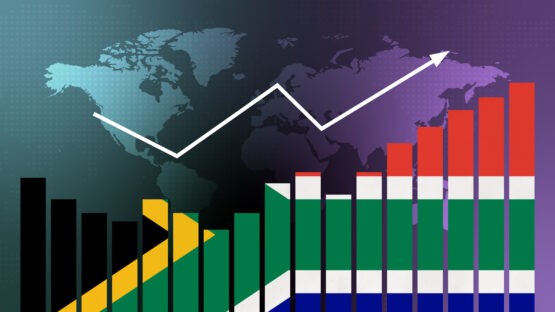
“The war does actually put a damper back on growth,” said Harry Kellan, chief executive officer of First National Bank, a unit of South Africa’s second biggest bank by market value FirstRand Ltd. South Africa’s economy climbed 1.1% in 2025 – the fastest pace in three years – but lagged the International Monetary Fund’s estimate for 4.4% in the sub-Saharan region for last year. The nation’s expansion has averaged less than 1% annually for more than a decade. A credit upgrade by S&P Global Ratings, South Africa’s removal from the Financial Action Task Force’s dirty-money list and slower inflation were signs of a better trajectory. Momentum was expected to pick up as the government and private sector work to revive dilapidated water infrastructure, and the state tries to intervene to help deeply dysfunctional municipalities that are unable to provide basic services.
But the conflict that started on 28 February has sent oil prices soaring and roiled equity and bond markets across the globe.
There is a significant risk that gold prices will be heavily affected. If the war in Iran drags on, the price of gold will accelerate. The country should invest in the commodity for long-term security. There is no telling how the U.S. dollar will be managed as the world’s reserve currency during this time. South Africa, other African nations, and the rest of the developing world must balance the risk of investing their revenue in a single reserve currency. The surviving BRICS Plus (Brazil, Russia, India, China, South Africa and other) nations have long had plans to create an alternative gold-backed currency to the dollar. However, Washington and the U.S. Federal Reserve have consistently opposed any attempt by the bloc to move away from the dollar as a reserve currency.
The BRICS nations, led by China and Russia, may now be emboldened to reconsider plans for a reserve currency depending on how the war in Iran (also a BRICS member) develops. South Africa will need to support this strategy as a gradual, step-by-step plan while simultaneously strengthening ties with alternative oil markets.
Article written by:
Yacoob Cassim
Journalist at Radio Al Ansaar