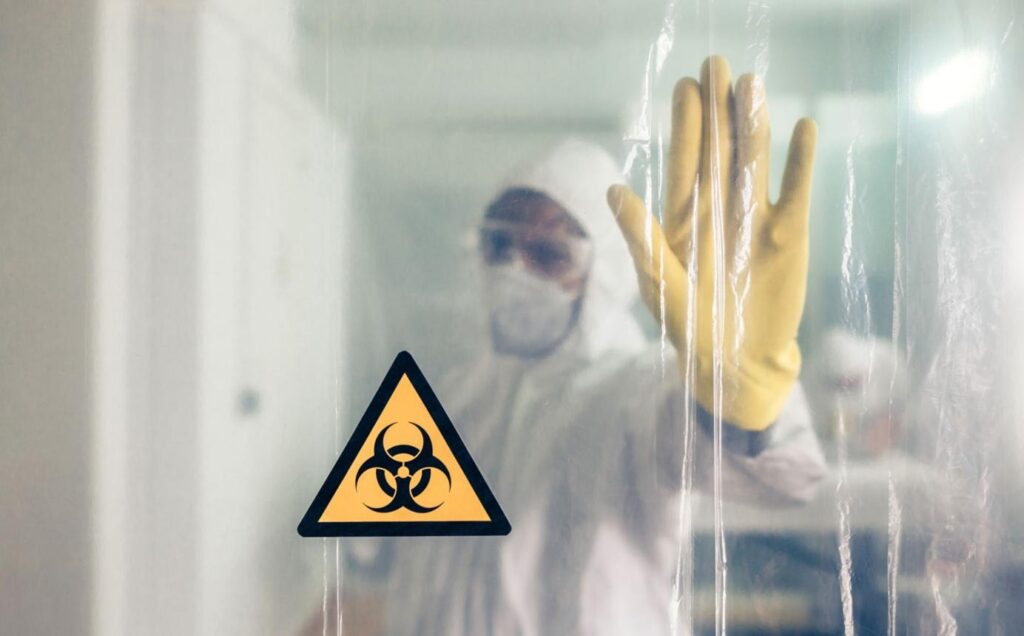

South Africans turned the latest hantavirus scare into comedy within hours. Social media flooded with jokes about “streetwise local rats”, memes spread rapidly, and fear became entertainment almost instantly.
But outbreaks have a way of becoming serious far faster than societies expect.
The internet treats health scares like trends – until hospitals begin filling again.
This week, South Africa’s concerns around hantavirus moved far closer to home after reports emerged that four people in the Western Cape are being monitored following contact with infected cruise ship passengers. Another reported case involved a woman allegedly collapsing at OR Tambo International Airport after showing symptoms linked to the virus.
While health authorities have stressed that the public risk currently remains low, the developments have once again forced uncomfortable questions back into public conversation: if another major global health emergency were to escalate, would South Africa truly be ready?
Health experts continue warning that future outbreaks are no longer viewed as distant possibilities. They are increasingly seen as inevitable.
“The next pandemic is not a matter of if, but when,” experts have repeatedly warned in global preparedness discussions following Covid-19.
For South Africa, those warnings carry particular weight.
Covid-19 did not just expose weaknesses in the healthcare system – it exposed how thin the line between stability and crisis truly is. Hospitals overflowed, exhausted healthcare workers operated under relentless pressure, and thousands of families watched both loved ones and financial security disappear almost overnight.
Another major health emergency would not enter a country at ease. It would enter a nation already under pressure.
A study published in the South African Medical Journal found that the pandemic revealed major disparities in healthcare access and limited reserve capacity in the public health sector. Overcrowded clinics, strained state hospitals, unemployment and fragile infrastructure remain serious vulnerabilities if another large-scale outbreak were to emerge.
At the same time, global cooperation around future pandemics remains fractured. Recent WHO pandemic treaty talks stalled amid disputes over vaccine access, pathogen sharing and emergency response coordination, raising fears that despite the lessons of Covid-19, the world is still dangerously underprepared.
Researchers at Wits University have also warned that Africa cannot afford to rely entirely on wealthier nations during future outbreaks, particularly as vaccine nationalism continues to shape global responses to disease emergencies.
But modern outbreaks spread far beyond hospitals.
Diseases now move through airports, trade routes and digital platforms at extraordinary speed. Panic spreads online within minutes. Misinformation travels faster than official guidance. Public trust erodes quickly.
And perhaps most concerning is the growing public exhaustion surrounding health warnings themselves.
After years of lockdowns, restrictions and economic pressure, many people no longer react to outbreak alerts with urgency. Some respond with memes. Others simply switch off completely.
The danger is not only the virus itself. It is how quickly societies can begin to unravel under pressure.
The hantavirus scare may still be contained, but its arrival in South African headlines has already exposed something deeper – a country still carrying the scars of the last global health crisis, while quietly hoping it is prepared for the next one.
Article written by:
Hudaa Ahmed
Journalist at Radio Al Ansaar